
The first hurdle in recovery from alcohol dependence is the body itself. Before any therapeutic work can begin, the patient must safely clear alcohol from their system and pass through withdrawal — a process that, for heavy drinkers, requires medical supervision to be safe.
This article walks through what alcohol detox actually looks like, hour by hour and day by day, at a medically supervised facility like Oceánica. Understanding the process — what to expect, how symptoms are managed, and what comes after — removes much of the fear that keeps people from taking this essential first step.
—
THE FIRST 24 HOURS
The detox process begins the moment a patient stops drinking, and the first day is about careful assessment and early symptom management.
What happens:
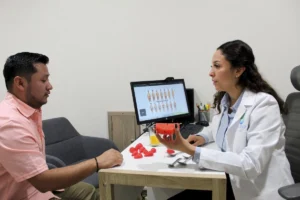
- Medical intake. On arrival, the clinical team conducts a thorough assessment: drinking history, last drink, overall health, prior withdrawal experiences, and any co-occurring conditions. This determines the detox protocol.
- Baseline monitoring. Vital signs and withdrawal severity (using the CIWA-Ar assessment scale) are established as a baseline.
- Early symptoms. Within roughly 6 to 12 hours of the last drink, early withdrawal symptoms typically appear: anxiety, tremor (“the shakes”), sweating, nausea, headache, and difficulty sleeping.
- Medication begins. Based on assessment, the medical team begins medication-assisted treatment to keep the nervous system calm and prevent escalation.
The first 24 hours set the foundation. By identifying risk level early and beginning appropriate medication, the team works to prevent the dangerous complications that can develop in the following days.
—
DAYS 2-3: PEAK SYMPTOMS
The second and third days are the most medically critical period of alcohol detox. This is the window when severe complications are most likely, and when close monitoring matters most.
What happens:
- Symptoms peak. Withdrawal symptoms generally reach their maximum intensity between 24 and 72 hours after the last drink.
- Highest risk window. This is when withdrawal seizures and delirium tremens (DTs) are most likely to occur in at-risk patients. DTs involve severe confusion, hallucinations, and dangerous instability of heart rate and blood pressure.
- Intensive monitoring. Because of this risk, monitoring is at its most intensive. The team tracks vital signs, mental status, and CIWA-Ar scores frequently, adjusting medication in response to the patient’s condition.
- Active management. Medication is provided to control symptoms, prevent seizures, and keep the patient safe and as comfortable as possible.
For the patient, these days can be physically and emotionally demanding. But in a properly supervised setting, they are managed safely. This is exactly the phase that makes unsupervised home detox so dangerous — and medical detox so essential.
—
DAYS 4-7: STABILIZATION
After the peak passes, the body begins to restabilize. The most acute danger recedes, and the patient starts to feel the first signs of physical recovery.
What happens:
- Symptoms ease. Acute withdrawal symptoms gradually diminish over days 4 through 7.
- Medication tapers. As symptoms subside, the medical team gradually reduces withdrawal medication under careful supervision.
- Returning function. Sleep, appetite, and mental clarity begin to improve. Many patients describe the relief of starting to feel physically human again.
- Readiness for therapy. As the body stabilizes, the patient becomes able to engage in the therapeutic work that is the heart of treatment.
While acute withdrawal generally resolves within about a week, some patients experience lingering symptoms such as mood changes or sleep disturbance for a longer period (sometimes called post-acute withdrawal). The clinical team supports patients through this as therapy begins.
—
MEDICATIONS USED
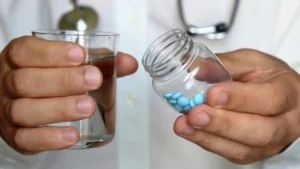
Safe alcohol detox relies on medication to manage the overactive nervous system and prevent complications. Under medical supervision, the clinical team may use:
| Benzodiazepines | The cornerstone of alcohol withdrawal management, used to prevent seizures and delirium tremens and to ease anxiety, agitation, and tremor. Dosing is typically guided by CIWA-Ar symptom scoring. |
| Thiamine and vitamins | Chronic drinking depletes thiamine (vitamin B1) and other nutrients; supplementation helps prevent serious neurological complications. |
| Fluids and electrolytes | Hydration and electrolyte correction support the body through withdrawal. |
| Symptom-specific medication | Additional medication may be used to manage nausea, insomnia, or other symptoms as needed. |
All medication is administered by qualified medical staff based on individual clinical assessment. The specific regimen depends on the patient’s history, severity of dependence, and overall health. (This article is not medical advice.)
—
TRANSITION TO THERAPY
It cannot be said often enough: detox is not treatment. Clearing alcohol from the body addresses physical dependence, but it does nothing to change the psychological patterns, emotional drivers, and life circumstances that fuel drinking. A patient who detoxes and then returns home without further treatment faces a very high risk of relapse.
This is why Oceánica delivers alcohol detox as the first phase of a complete residential program rather than a standalone service. As the patient stabilizes, treatment moves into the therapeutic core:
- Two individual therapy sessions per week with a licensed therapist
- Five group therapy sessions per week
- Relapse-prevention planning and psychoeducation about addiction
- Wellness and physical activity through the gym, pool, and recreational facilities
- Aftercare planning for the transition home
Because the same clinical team carries the patient from detox through therapy, the transition is seamless. The trust built during the vulnerable detox phase carries into the therapeutic relationship that drives lasting recovery.
—
FREQUENTLY ASKED QUESTIONS
- How long does alcohol detox take?
Acute alcohol detox typically lasts about 5 to 7 days, with symptoms beginning within 6 to 12 hours of the last drink and peaking in danger between 24 and 72 hours. Individual timelines vary.
- Is alcohol detox painful?
Withdrawal is uncomfortable, but medical detox is specifically designed to manage symptoms and keep patients as comfortable and safe as possible through medication and supervision.
- Can I detox from alcohol at home?
For anyone with significant alcohol dependence, home detox is dangerous and not recommended. Severe withdrawal can cause seizures and delirium tremens, which require medical management.
- What happens after detox?
At Oceánica, detox flows directly into the residential therapy program, where the underlying causes of drinking are addressed through individual and group therapy and relapse-prevention work.
—
SUGGESTED INTERNAL LINKS
- Alcohol Withdrawal Treatment in Mexico: Safe Medical Detox
- Medical Detox in Mexico
- Alcohol Rehab in Mexico
- Services and Programs at Oceánica: https://oceanica-usa.com/services/
EXTERNAL REFERENCE LINKS
- NIAAA — Understanding Alcohol Use Disorder: https://www.niaaa.nih.gov
- SAMHSA — Detoxification and Substance Abuse Treatment: https://www.samhsa.gov
- NIH MedlinePlus — Alcohol Withdrawal: https://medlineplus.gov
—
Oceánica is a CARF-accredited residential treatment center in Mazatlán, Mexico, providing medically supervised alcohol detox with 24/7 physician oversight as the first step toward lasting recovery. Call (213) 527-3377 or visit oceanica-usa.com. This article is informational and not a substitute for medical advice.