For people who’ve recognized that their cannabis use has become a problem, there’s often a frustrating barrier: the widespread assumption that “you can’t be addicted to weed” means their struggle isn’t taken seriously — sometimes even by themselves. But cannabis use disorder is real, recognized in the DSM-5, and importantly, treatable. People who feel trapped by heavy, daily cannabis use can and do recover with the right help.
This article focuses on treatment: the diagnostic criteria that define the condition, why high-potency THC matters for treatment, the withdrawal timeline, the therapies that work, and the lifestyle reconstruction that supports lasting recovery. The message is validating and hopeful: your struggle is real, and effective help exists.
—
DSM-5 DIAGNOSTIC CRITERIA
Understanding that cannabis use disorder is a formally recognized medical condition can be genuinely validating for people who’ve been told their problem “isn’t real.” The DSM-5 — the standard diagnostic manual clinicians use — includes cannabis use disorder, defined by a pattern of problematic use causing significant impairment or distress.
The criteria include features like:
- Using more cannabis, or for longer, than intended
- Unsuccessful efforts to cut down or control use
- Spending a lot of time obtaining, using, or recovering from cannabis
- Strong cravings or urges to use
- Use interfering with work, school, or home responsibilities
- Continued use despite relationship or social problems it causes
- Giving up or reducing important activities because of cannabis
- Using in physically risky situations
- Continued use despite knowing it’s causing physical or psychological problems
- Tolerance (needing more for the same effect)
- Withdrawal (symptoms when stopping)
Meeting a defined number of these criteria indicates the disorder, with severity rated mild, moderate, or severe. For treatment purposes, this framework matters because it allows the problem to be properly assessed and addressed as the medical condition it is — not dismissed. If you recognize several of these features in your own use, that’s meaningful information, and it points toward help that can work.
—
WHY HIGH-POTENCY THC MATTERS
The dramatic increase in cannabis potency over recent years isn’t just relevant to whether addiction is real — it has practical implications for treatment. Today’s high-THC products and concentrates change the clinical picture in ways that matter.
Key treatment-relevant points:
- Heavier THC exposure, stronger dependence. Regular use of high-potency products means the brain is adapting to much larger amounts of THC, which can lead to more pronounced tolerance and dependence, and potentially more noticeable withdrawal.
- More significant impact on functioning. Higher-potency use can have a greater impact on motivation, cognition, mood, and daily functioning, which treatment needs to address.
- Mental health considerations. High-potency cannabis use is associated with greater risk of adverse mental-health effects in vulnerable people, including anxiety and, in some cases, psychotic symptoms. Treatment must screen for and address co-occurring mental health concerns.
- Concentrates and vaping. The rise of concentrates and THC vaping has created patterns of very high-potency use that treatment programs increasingly recognize and address.
The practical takeaway is that treatment for cannabis use disorder today has to account for the reality of modern, high-potency cannabis — which can produce more entrenched dependence and a bigger impact on a person’s life than the cannabis of past decades. This is one reason that “just stopping” can be harder than people expect, and why structured, comprehensive treatment is valuable for those with heavy, high-potency use.
—
WITHDRAWAL TIMELINE
A practical part of cannabis use disorder treatment is understanding and managing withdrawal. While cannabis withdrawal isn’t physically dangerous like alcohol or benzodiazepine withdrawal, it’s real, uncomfortable, and a common reason people relapse — so knowing the timeline helps.
Here’s a general overview of the cannabis withdrawal timeline (individual experiences vary):
| Phase | General timing | What it can involve |
| Onset | Within about 1 day of stopping | Irritability, anxiety, and restlessness begin as THC levels fall |
| Peak | Around days 2 to 6 | Symptoms often most intense: irritability, anxiety, sleep problems, vivid dreams, decreased appetite, depressed mood, physical discomfort |
| Subsiding | Around 1 to 2 weeks | Most symptoms gradually ease over this period |
| Lingering | Weeks beyond | Some symptoms, especially sleep disturbance and mood, can persist longer for some people before fully resolving |
Key points for treatment:
- Sleep disturbance is common and stubborn. Insomnia and vivid dreams are among the most persistent symptoms and a frequent relapse trigger, so they’re specifically addressed in treatment.
- Symptoms are manageable. With support, the discomfort of withdrawal is very manageable, and understanding that it’s temporary helps people push through.
- Getting through withdrawal is a gateway, not the goal. Withdrawal management is just the start; the real work of recovery — addressing why cannabis became a problem and building healthier patterns — follows.
Having support through this period dramatically improves the odds of getting past the uncomfortable early phase and into lasting recovery.
—
EFFECTIVE THERAPIES
The heart of cannabis use disorder treatment is evidence-based therapy, since there’s no FDA-approved medication specifically for the condition. Research has identified approaches that genuinely help, and they form the core of effective programs.
Effective therapies include:
- Cognitive behavioral therapy (CBT). A cornerstone of cannabis use disorder treatment, CBT helps people identify triggers, understand the thoughts and patterns driving use, and build practical skills to manage cravings and change behavior.
- Motivational enhancement approaches. These strengthen the person’s own motivation and resolve to change, which is foundational — especially since cannabis use is often deeply normalized and ambivalence is common.
- Contingency management. Reinforcing positive behavior change (such as cannabis-free test results) with tangible rewards, an approach with strong support for substance use disorders.
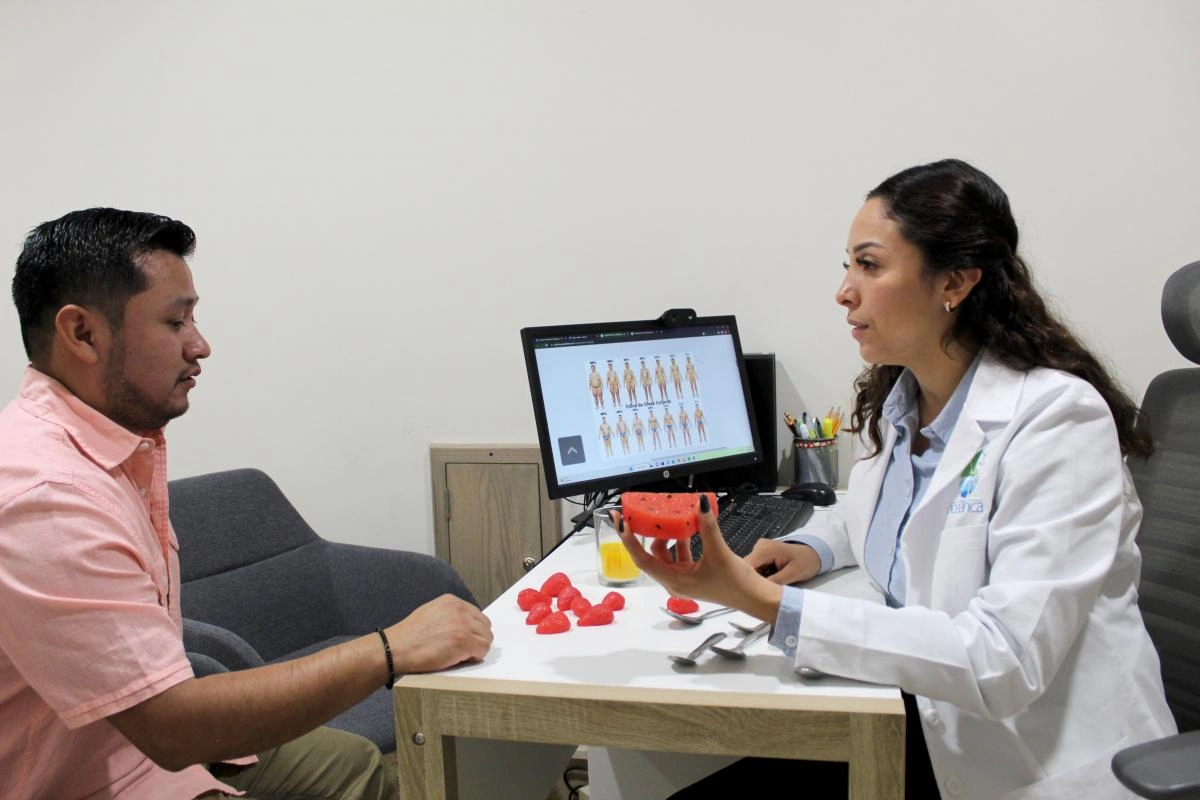
- Individual therapy. Exploring the underlying reasons for use — often coping with anxiety, depression, boredom, sleep problems, or trauma — and developing healthier strategies. Oceánica provides two individual sessions weekly.
- Group therapy. Reducing isolation, normalizing the recovery process, and building peer support. Oceánica provides five group sessions weekly.
- Treatment of co-occurring conditions. Since cannabis is so often used to cope with anxiety, depression, or other issues, integrated dual diagnosis care addresses these together — crucial, because untreated underlying conditions commonly drive relapse.
The combination of these approaches, delivered intensively and individually, is what helps people break free of cannabis dependence. At Oceánica, an 8:1 therapist-to-patient ratio and a structured therapeutic schedule provide the kind of focused care that heavy cannabis use can require, with a fully English-speaking clinical team.
—
LIFESTYLE RECONSTRUCTION
A distinctive feature of recovering from heavy cannabis use is that, for many people, cannabis has become deeply woven into the fabric of daily life — tied to relaxation, socializing, sleep, creativity, coping, and routine. This means effective treatment involves not just stopping the substance but reconstructing a fulfilling life around its absence. This “lifestyle reconstruction” is often where lasting recovery is won.
Key elements include:
- New coping strategies. If cannabis was used to manage stress, anxiety, or difficult emotions, recovery means building healthier coping tools — a central focus of CBT and therapy.
- Healthy sleep without cannabis. Since many heavy users rely on cannabis for sleep and face insomnia in withdrawal, learning healthy sleep habits and addressing sleep directly is important.
- Rebuilding motivation and engagement. Heavy use can flatten motivation; recovery involves rediscovering goals, interests, and a sense of purpose and reward in everyday life.
- New routines and activities. Replacing cannabis-centered routines with meaningful, healthy activities — exercise, hobbies, social connection. Oceánica’s facilities, including a gym, pool, volleyball court, and soccer field, support active, healthy engagement.
- Navigating social and environmental triggers. Developing strategies for situations, people, and places associated with use, especially relevant given how socially normalized cannabis often is.
- Addressing underlying issues. Continuing to treat any anxiety, depression, or trauma that fueled the reliance on cannabis.
This reconstruction is genuinely hopeful work. Many people in recovery from cannabis use disorder discover improved motivation, mental clarity, sleep quality (after the initial adjustment), and emotional wellbeing — often realizing how much heavy use had quietly dampened their lives. Recovery isn’t about deprivation; it’s about reclaiming a fuller, clearer, more engaged life.
If your cannabis use has become something you can’t seem to control, please know your struggle is real and valid, and effective help exists. Oceánica’s CARF-accredited program in Mazatlán, Mexico, provides comprehensive, evidence-based treatment for cannabis use disorder. The admissions team can answer your questions confidentially.
—
FREQUENTLY ASKED QUESTIONS
- Is cannabis use disorder a real diagnosis?
Yes. It’s formally recognized in the DSM-5, the standard diagnostic manual, with defined criteria including tolerance, withdrawal, loss of control, and continued use despite consequences. It can be assessed and treated as the legitimate medical condition it is.
- How is cannabis use disorder treated?
Primarily through evidence-based behavioral therapy — especially CBT, motivational enhancement, and contingency management — along with individual and group therapy, treatment of co-occurring conditions, and support through withdrawal. There’s no FDA-approved medication specifically for it, so therapy is the foundation.
- Why is quitting high-potency cannabis harder than expected?
Today’s high-THC products and concentrates expose the brain to much more THC, which can produce more pronounced tolerance, dependence, and withdrawal, plus a bigger impact on functioning and mood. This is why structured, comprehensive treatment is valuable for heavy use.
- What does recovery from cannabis use disorder look like?
Beyond stopping use and managing withdrawal, recovery involves “lifestyle reconstruction” — building new coping strategies, healthy sleep, motivation, routines, and addressing underlying issues. Many people experience improved clarity, motivation, sleep, and wellbeing in recovery.
—
SUGGESTED INTERNAL LINKS
- Is Marijuana Addiction Real? What the Science Says
- Vaping THC Addiction: A Modern Cannabis Crisis
- Drug Rehab in Mexico
- Services and Programs at Oceánica
EXTERNAL REFERENCE LINKS
- Oceánica conecta
- NIDA — Cannabis (Marijuana)
- SAMHSA — Substance Use Treatment
- CDC — Marijuana and Public Health
—
Oceánica is a CARF-accredited residential treatment center in Mazatlán, Mexico, where cannabis use disorder is treated through comprehensive, evidence-based care. This article is informational and not medical advice. Call (213) 527-3377 or visit oceanica-usa.com.