
IMPORTANT DISCLAIMER
Severe alcohol withdrawal can be life threatening. People with prolonged heavy drinking, prior withdrawal seizures, delirium, or significant medical risk should seek clinical guidance before stopping suddenly.
ALCOHOL CAN MAKE YOU SLEEPY WITHOUT GIVING YOU HEALTHY SLEEP
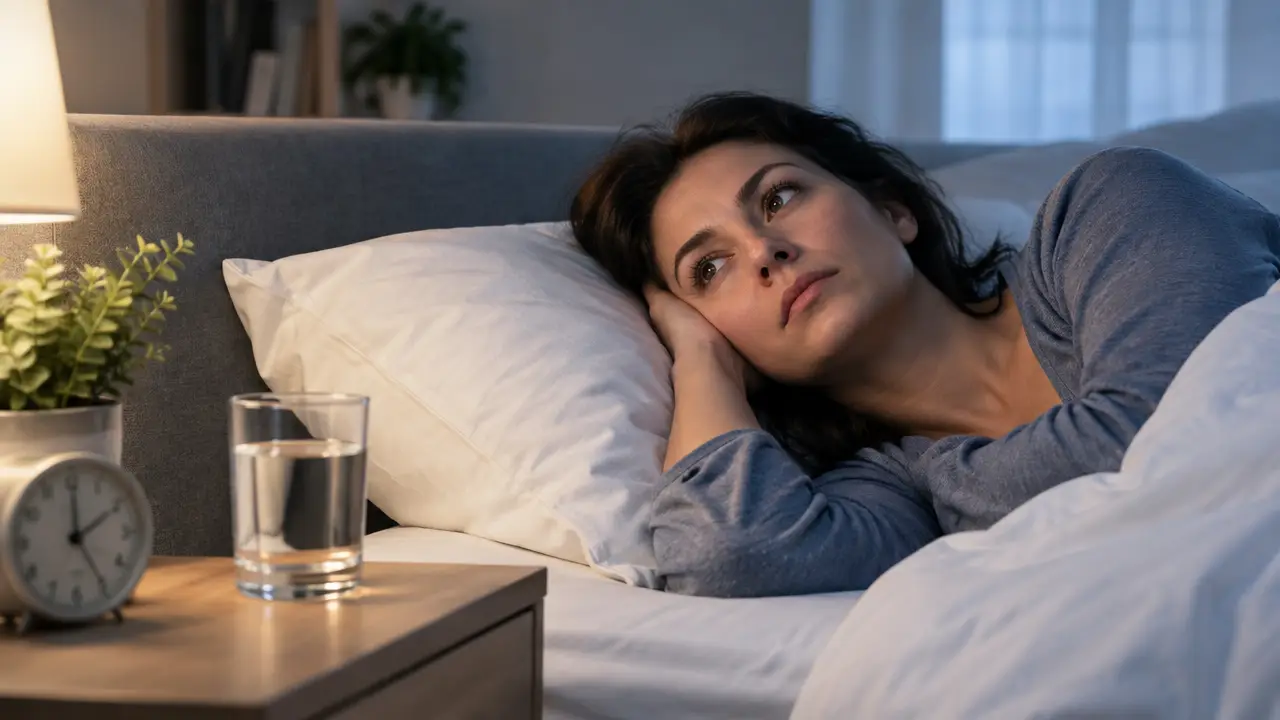
sleep after quitting alcohol can be surprisingly difficult at first because alcohol changes both the ability to fall asleep and the structure of sleep itself. A person may have used alcohol as a sedative, yet still experienced fragmented sleep, more awakenings, altered REM sleep, and poorer overall rest.
When alcohol is removed, the brain and sleep-wake system have to readjust. That transition can produce insomnia, vivid dreams, restlessness, early waking, or fatigue even when a person is doing something healthy by stopping alcohol.
WHY THE FIRST DAYS CAN FEEL WORSE
Insomnia is a common symptom of alcohol withdrawal. Anxiety, sweating, tremor, changes in heart rate, and physical discomfort can also make sleep difficult. In people at risk for severe withdrawal, seizures or delirium are medical emergencies rather than ordinary sleep problems.
That is why the first priority is safety, not simply finding a sleep aid. A clinician can determine whether withdrawal management is needed and whether insomnia is part of withdrawal or another condition.
SLEEP RECOVERY TAKES TIME
NIAAA notes that alcohol-related sleep disturbances may recover only after 30 days or more of abstinence in some people. Other studies show that sleep disruption can persist for months in a subset of people with AUD.
Persistent sleep difficulty does not mean recovery is failing. Sleep is influenced by depression, anxiety, trauma, sleep apnea, chronic pain, medications, caffeine, circadian rhythm, and the habits that developed around drinking.
WHAT CAN SUPPORT HEALTHIER SLEEP
A consistent wake time, morning light, regular physical activity, limiting late caffeine, and a predictable wind-down routine can help rebuild sleep regulation. Treatment should also address nightmares, anxiety, depression, breathing-related sleep disorders, and other conditions when present.
People in recovery should discuss medications and supplements with qualified clinicians rather than self-treating insomnia. Some sedating medications carry misuse or interaction risks, and the right approach depends on the individual.
WHY SLEEP MATTERS FOR RELAPSE PREVENTION
Poor sleep can increase irritability, emotional reactivity, fatigue, and craving. It can also make it harder to use coping skills or attend treatment consistently.
Treating sleep as part of recovery rather than as a separate inconvenience can strengthen the overall plan. The goal is not perfect sleep immediately; it is progressive stabilization while the brain and body adjust to life without alcohol.
FREQUENTLY ASKED QUESTIONS
How long does insomnia last after quitting alcohol?
It varies. Some sleep problems improve over weeks, while others persist longer, especially when another sleep or mental health disorder is present.
Why do I have vivid dreams after quitting alcohol?
Alcohol changes REM sleep. As sleep architecture readjusts, vivid dreaming can become more noticeable for some people.
Should I use sleeping pills during alcohol recovery?
Medication decisions should be made with a clinician because some sedatives can carry dependence, interaction, or relapse concerns.
When is poor sleep a medical emergency?
Insomnia alone is usually not an emergency, but seizures, severe confusion, hallucinations, unstable vital signs, or other signs of severe withdrawal require urgent care.
Recommended Reading
- Sleep and Recovery
- How to Quit Alcohol Safely
- Benefits of Sobriety
- Services and Programs at Oceánica
EXTERNAL REFERENCE LINKS
- NIAAA – Alcohol and Common Co-occurring Conditions
- NIAAA – Alcohol Use Disorder: From Risk to Diagnosis to Recovery
- NHLBI – Healthy Sleep
- Oceánica Conecta
Oceánica is a CARF-accredited residential treatment center in Mazatlán, Mexico. Treatment needs are assessed individually by qualified professionals. This article is informational and not medical advice. Call (213) 527-3377 or visit oceanica-usa.com.







