IMPORTANT DISCLAIMER
New weakness, rapidly worsening numbness, falls, inability to walk, loss of bladder or bowel control, severe confusion, or other acute neurologic symptoms require prompt medical evaluation.
ALCOHOL CAN DAMAGE PERIPHERAL NERVES
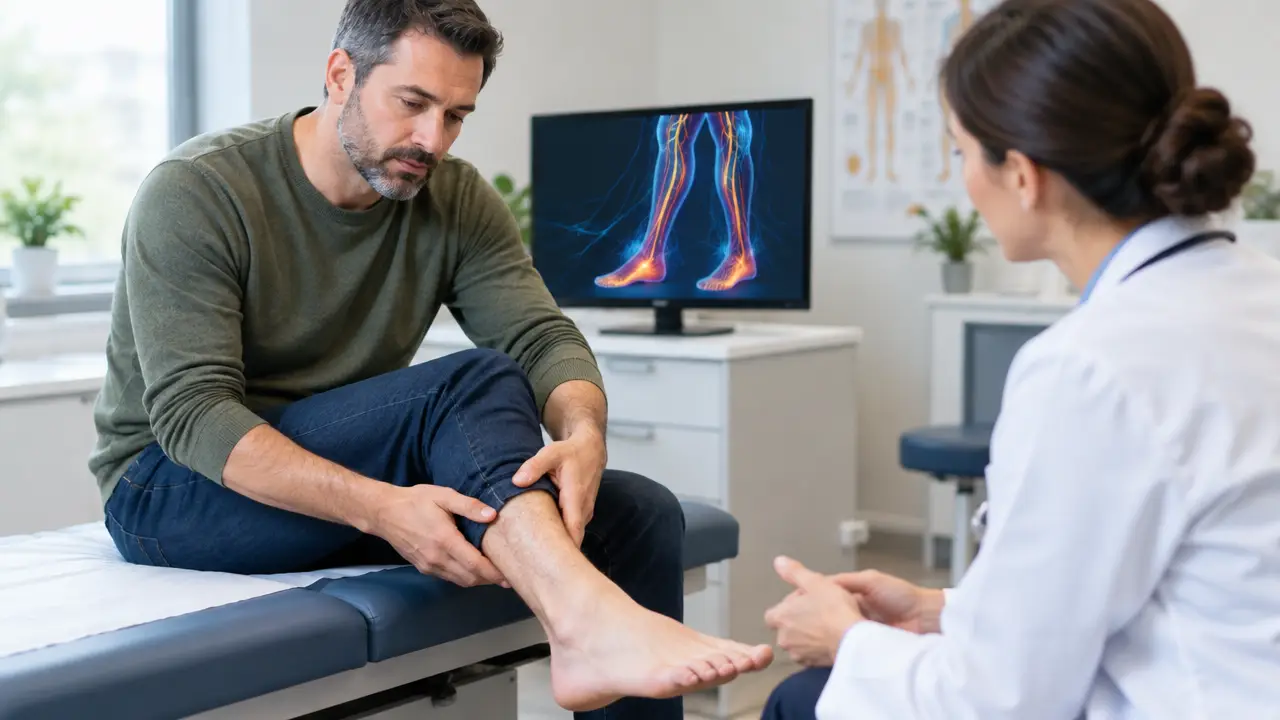
alcoholic neuropathy is a form of peripheral nerve damage associated with prolonged heavy alcohol use. It can produce burning pain, numbness, tingling, altered temperature sensation, weakness, and problems with balance, often beginning in the feet and lower legs.
NIAAA notes that peripheral neuropathy is common in severe alcohol use disorder. Direct alcohol neurotoxicity can contribute, and nutritional deficiencies may make the nerve injury worse.
WHAT THE SYMPTOMS CAN FEEL LIKE
Symptoms often follow a symmetrical stocking-glove pattern, meaning both feet or lower legs are affected before symptoms progress upward or involve the hands. Burning pain and painful sensitivity can be prominent.
Motor and autonomic nerves can also be affected. Some people develop weakness, gait instability, dizziness when standing, digestive changes, or sexual dysfunction. Because these symptoms can have many causes, medical evaluation matters.
WHY NUTRITION MATTERS
Heavy alcohol use can interfere with food intake, absorption, and metabolism of essential nutrients. Deficiencies in thiamine and other vitamins can contribute to neurological complications.
Treatment therefore may include nutritional assessment and correction of deficiencies, but supplements are not a substitute for evaluating the underlying alcohol use and other possible causes of neuropathy.
HOW CLINICIANS EVALUATE NERVE DAMAGE
Evaluation may include a neurological examination, blood tests, review of alcohol and medication history, and testing for diabetes, vitamin deficiencies, thyroid disease, kidney disease, infections, and other conditions. Nerve conduction studies or electromyography may be used in some cases.
The purpose is not only to confirm neuropathy but to identify factors that can still be treated. Someone with heavy alcohol use can also have diabetic neuropathy or another neurologic disorder at the same time.
CAN ALCOHOLIC NEUROPATHY IMPROVE?
Abstinence can help prevent continued alcohol-related injury, and NIAAA notes that symptoms may improve after alcohol cessation. Recovery is variable and may be slow because peripheral nerves heal gradually.
Some deficits can persist, particularly after severe or longstanding damage. Physical therapy, pain management, nutrition, treatment of co-occurring medical conditions, and an alcohol recovery plan may all be part of care.
FREQUENTLY ASKED QUESTIONS
What does alcoholic neuropathy feel like?
Common symptoms include burning pain, numbness, tingling, reduced sensation, weakness, and balance problems, often starting in the feet.
Is alcoholic neuropathy reversible?
Some people improve with abstinence, nutrition, and medical care, but severe or longstanding nerve damage may not fully reverse.
Can vitamin deficiency cause similar symptoms?
Yes. Nutritional deficiencies can contribute to neuropathy and other neurologic problems, which is why medical assessment is important.
Does treating alcohol use disorder help neuropathy?
Stopping ongoing alcohol exposure can reduce further injury and supports broader medical recovery, although nerve symptoms may require additional treatment.
Recommended Reading
- Alcohol Use Disorder Treatment
- Alcohol-Related Dementia vs. Wernicke-Korsakoff
- Nutrition in Addiction Recovery
- Services and Programs at Oceánica
EXTERNAL REFERENCE LINKS
- NIAAA – Medical Complications: Common Alcohol-Related Concerns
- NIAAA – Wernicke-Korsakoff Syndrome
- NINDS – Peripheral Neuropathy
- Oceánica Conecta
Oceánica is a CARF-accredited residential treatment center in Mazatlán, Mexico. Treatment needs are assessed individually by qualified professionals. This article is informational and not medical advice. Call (213) 527-3377 or visit oceanica-usa.com.