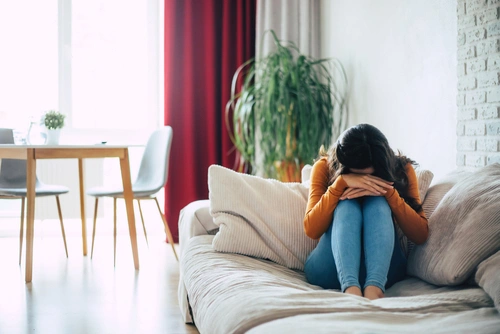
A glass of wine to take the edge off. A few drinks to calm the nerves before a social event. For millions of people, alcohol is the go-to remedy for anxiety. And in the very short term, it seems to work. But there is a cruel trick built into this arrangement: the same substance that soothes anxiety in the moment intensifies it over time. Self-medicating anxiety with alcohol does not just fail — it backfires.
This article explains why alcohol feels calming, how it produces the rebound anxiety that traps so many people, the brain chemistry behind the cycle, and how to break the pattern with healthier tools and, where needed, integrated treatment.
—
WHY ALCOHOL FEELS CALMING
The calming effect of alcohol is real — in the moment. Understanding why explains both its appeal and its danger.
Alcohol enhances the activity of GABA, the brain’s main inhibitory (calming) neurotransmitter, and dampens glutamate, an excitatory (stimulating) one. The net effect is a sedating, relaxing sensation: muscles loosen, racing thoughts slow, social inhibitions drop. For an anxious person, this can feel like blessed relief — the first time the constant background hum of worry goes quiet.
This is precisely why alcohol is such a tempting tool for anxiety. It delivers fast, reliable, short-term relief. The problem is not that the relief is imaginary; it’s that it is borrowed. The calm of tonight is paid for with the anxiety of tomorrow — and the debt compounds.
—
THE REBOUND ANXIETY CYCLE
The trap at the heart of using alcohol for anxiety is rebound anxiety — sometimes called “hangxiety.”
Here is how the cycle works:
| Stage | What happens |
| Drinking | Alcohol boosts calming GABA and suppresses excitatory glutamate. Anxiety drops; the person feels relaxed. |
| The body adapts | To counter the alcohol, the brain reduces GABA activity and increases glutamate, trying to restore balance. |
| Alcohol wears off | As the alcohol leaves the system, the brain is left with too little calming activity and too much excitatory activity. |
| Rebound anxiety | The result is a surge of anxiety often worse than the original — restlessness, racing heart, dread, and unease the next day. |
| More drinking | To relieve this rebound anxiety, the person drinks again — restarting the cycle and deepening it over time. |
Each turn of this cycle strengthens the association between alcohol and relief, while raising the baseline level of anxiety. Over time, the person becomes more anxious overall, and increasingly dependent on alcohol just to feel normal. What began as a coping tool becomes a driver of the very anxiety it was meant to soothe.
—
GABA & GLUTAMATE DISRUPTION
To understand why the cycle deepens, it helps to look closer at the two neurotransmitters at its center.
GABA is the brain’s primary “brake” — it calms neural activity and produces feelings of relaxation. Glutamate is the brain’s primary “accelerator” — it stimulates neural activity and contributes to alertness and, in excess, anxiety.
Alcohol disrupts the balance between them:
- In the short term, alcohol pushes the system toward calm: more GABA effect, less glutamate.
- With repeated heavy use, the brain compensates by down-regulating GABA and up-regulating glutamate to counteract the alcohol’s constant presence.
- This adaptation means that without alcohol, the person’s brain is now tilted toward over-excitation — less calming capacity, more stimulation — a state that feels like heightened, chronic anxiety.
This is the neurological root of both rebound anxiety and the anxiety that characterizes alcohol withdrawal. It also explains why anxiety can persist for a time even after someone stops drinking: the brain needs time to restore its natural GABA-glutamate balance. The good news is that, with sobriety and support, this balance can recover.
—
TREATING BOTH CONDITIONS
Because alcohol and anxiety become so neurologically entangled, treating them separately tends to fail — much like alcohol and depression. If the anxiety is left untreated, it remains a powerful trigger to drink; if the drinking continues, it keeps fueling the anxiety.
Effective care addresses both together through integrated, dual diagnosis treatment. This includes:
- Safe management of alcohol withdrawal, where physical dependence is present, since withdrawal itself spikes anxiety and can be medically dangerous
- Therapy that treats the anxiety directly, including evidence-based approaches like cognitive behavioral therapy (CBT), which helps people recognize and reframe anxious thought patterns
- Building real coping skills to replace alcohol as the anxiety-management tool
- Addressing any underlying causes of the anxiety, such as trauma or chronic stress
- Medication management by qualified medical staff where appropriate, coordinated with the substance use history
- Time and support for the brain’s GABA-glutamate balance to recover
At Oceánica, integrated treatment for co-occurring anxiety and alcohol use is delivered by one coordinated clinical team, with individual and group therapy, medical support, and a calm, structured environment that itself helps reduce anxiety. The 8:1 therapist-to-patient ratio allows this care to be tailored to each person.
—
HEALTHY ANXIETY TOOLS
A central task of recovery is replacing alcohol with healthier ways to manage anxiety — tools that actually reduce anxiety over time rather than amplifying it. Evidence-supported approaches include:
- Regular physical activity, which is one of the most effective natural anxiety reducers. Oceánica’s gym, pool, volleyball, and soccer facilities support this.
- Breathing and relaxation techniques that calm the nervous system in the moment without alcohol
- Mindfulness and grounding practices that help manage anxious thoughts
- Consistent, restorative sleep, which alcohol disrupts and which is foundational to managing anxiety
- Good nutrition and stable routines, which support overall nervous-system regulation
- Therapy and ongoing support to address the roots of anxiety and build durable coping skills
The contrast with alcohol is the whole point: these tools build genuine resilience, lowering anxiety over time, whereas alcohol borrows calm today at the cost of more anxiety tomorrow. Learning to use them is a core part of breaking free from the alcohol-anxiety cycle.
—
FREQUENTLY ASKED QUESTIONS
- Why does alcohol make my anxiety worse the next day?
This is rebound anxiety, or “hangxiety.” As alcohol wears off, the brain — which adapted by reducing calming activity and increasing excitatory activity — is left tilted toward over-excitation, producing anxiety often worse than before.
- Is it bad to drink to cope with anxiety?
Using alcohol to manage anxiety tends to backfire. It provides short-term relief but worsens anxiety over time and can lead to dependence, creating a self-reinforcing cycle. Healthier coping tools are far more effective.
- Will my anxiety go away if I stop drinking?
For many people, anxiety improves with sobriety as the brain’s chemistry rebalances, though this takes time. Some people have an underlying anxiety disorder that also needs its own treatment, which is why integrated care helps.
- How are alcohol and anxiety treated together?
Through integrated dual diagnosis treatment: safely managing withdrawal, treating the anxiety directly with approaches like CBT, building healthy coping skills, and supporting the brain’s recovery — all by one coordinated clinical team.
—
SUGGESTED INTERNAL LINKS
- Anxiety Treatment in Mexico
- Dual Diagnosis Rehab in Mexico
- Alcohol Rehab in Mexico
- Services and Programs at Oceánica
EXTERNAL REFERENCE LINKS
—
This article is informational and not medical advice. If you are using alcohol to cope with anxiety, this is a sensitive topic and confidential support is available. Oceánica’s CARF-accredited team in Mazatlán, Mexico, offers integrated, professional treatment. Call (213) 527-3377 or visit oceanica-usa.com.