
Why Americans Choose Mexico for Addiction Treatment
The United States has outstanding addiction treatment resources — and prices to match. A 30-day residential program averages up to $35,000; luxury programs run $50,000 to $120,000. For the 87% of Americans with substance use disorder who never access specialty treatment, cost is the most commonly cited barrier.
Mexico bridges that gap. Quality Mexican rehabilitation centers deliver the same evidence-based clinical modalities — CBT, DBT, MAT, dual diagnosis care — in English, with licensed clinical staff, at 50–70% of U.S. costs. Combined with geographic proximity (2–5 hours from most U.S. cities), the value proposition is compelling.
But not all Mexican rehab centers meet the standard Americans expect. This guide gives you the exact criteria to evaluate any facility — and explains why Oceánica meets every one of them.
The 8 Criteria That Define the Best Rehab Centers in Mexico
|
Criterion |
What to Verify — and Why It Matters |
|
1. Licensed Physician On-Site 24/7 |
Not on-call. Physically present. Required for safe alcohol and benzo detox. Non-negotiable. |
|
2. Verifiable Therapist Credentials |
Request names, degrees, and license numbers. Legitimate centers provide these without hesitation. |
|
3. COFEPRIS Facility License |
Mexico’s federal health authority license. Equivalent to state licensure in the U.S. Ask for documentation. |
|
4. Evidence-Based Treatment Modalities |
CBT, DBT, EMDR, MI, MAT — the same frameworks endorsed by NIDA and ASAM. Not 12-Step only. |
|
5. Bilingual Clinical Team |
Therapy, medical consults, and daily care in English. Not just the admissions staff. |
|
6. Dual Diagnosis Capability |
Psychiatrist on-site. Co-occurring mental health conditions treated concurrently, not after. |
|
7. Transparent All-Inclusive Pricing |
No hidden fees for detox, therapy sessions, medications, or aftercare planning. |
|
8. Documented Aftercare Coordination |
Warm handoff to U.S. providers. Discharge plan begins in week 2, not the night before departure. |
How Oceánica Meets Every Standard
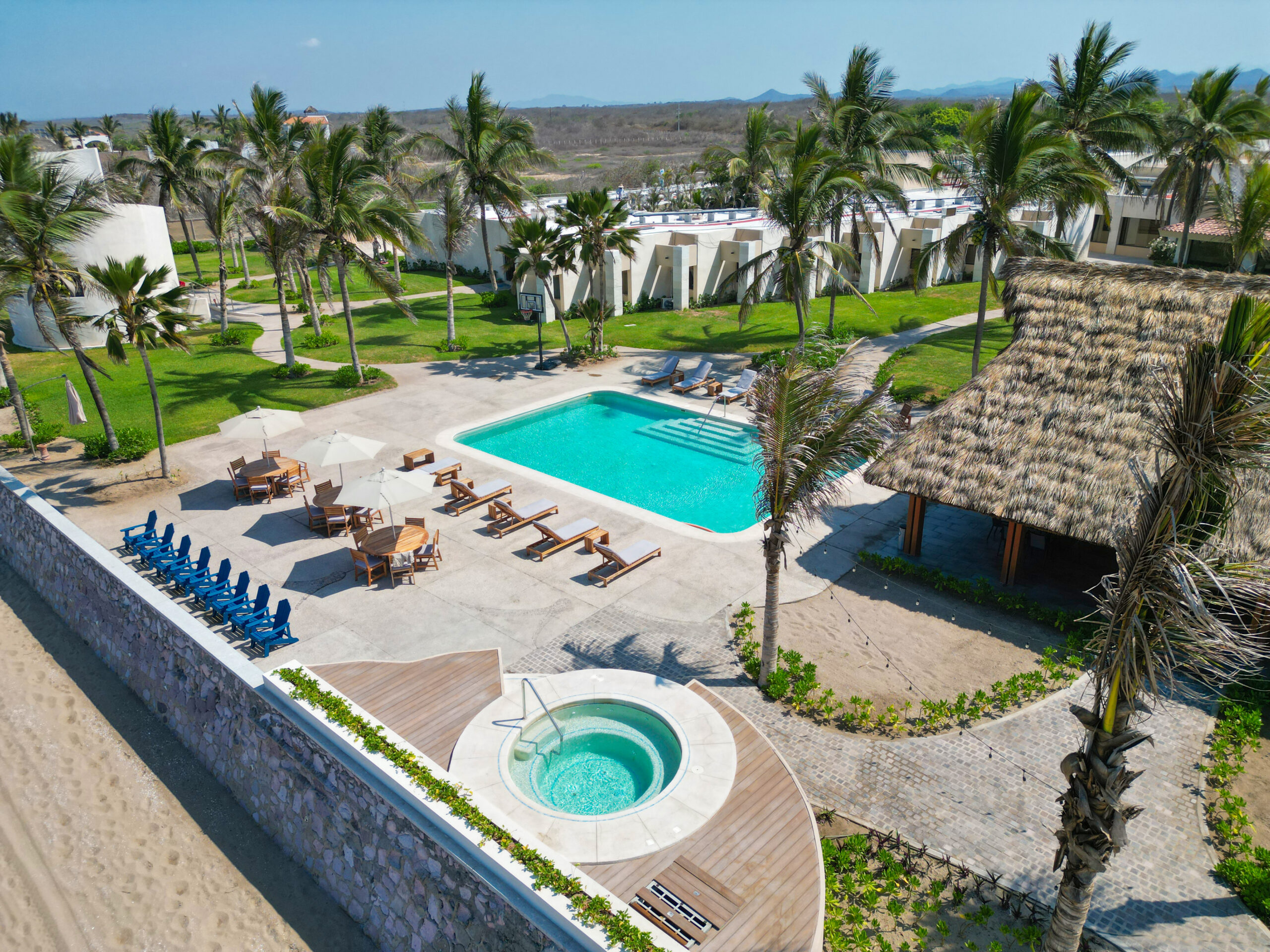
Oceánica was founded specifically to serve American patients seeking residential addiction treatment in Mexico. Every operational decision — clinical staffing, program design, facility location, pricing structure — reflects the standards U.S. patients expect and deserve.
Clinical Excellence
- Board-certified addiction medicine physicians on-site 24/7 — not on-call
- Licensed therapists holding postgraduate degrees from accredited universities
- Consulting psychiatrist for dual diagnosis evaluation and medication management
- NIDA-endorsed modalities: CBT, DBT, MI, MAT, 12-Step and SMART Recovery facilitation
- Maximum 8-10:1 patient-to-therapist ratio — 2 individual sessions per week
Operational Standards
- COFEPRIS-licensed facility in a secure Pacific coastal community
- Fully bilingual clinical and support team — care delivered in English
- All-inclusive transparent pricing — zero hidden fees
- Private room option with ocean or garden view, extra cost on request.
- Private airport transfer and concierge logistics for all admitted patients
- Aftercare coordination begins in week 2 — warm handoff to U.S. providers at discharge
What the Best Rehab Centers in Mexico Offer That Many U.S. Programs Don’t
|
Feature |
Oceánica — Mexico |
U.S. Average Residential |
|
30-Day All-Inclusive Cost |
$16,000+ |
Up to – $35,000 |
|
Individual Therapy / Week |
Yes |
Yes |
|
Patient-to-Therapist Ratio |
Max 8-10:1 |
Often 10:1+ |
|
Dual Diagnosis — Integrated |
Standard in all programs |
Varies by center |
|
Medical Detox On-Site |
Yes — 24/7 physician |
Varies — sometimes off-site |
|
Private Room Available |
Yes – On request, extra cost |
Premium tier only |
|
Ocean / Nature Setting |
Pacific coast — therapeutic |
Select locations |
|
Aftercare Coordination |
U.S. warm handoff — included |
Varies — often extra |
Red Flags: What Separates Reputable Centers from Problematic Ones
The quality of addiction treatment facilities in Mexico varies widely. These warning signs should immediately disqualify any center you are considering:
- No physician on-site during detox. ‘Available by phone’ is not sufficient for medically supervised detox.
- Cannot verify staff credentials. Legitimate centers provide therapist names and license numbers without hesitation.
- High-pressure admissions. Clinical admissions should never feel like a sales close. Urgency tactics are a red flag.
- No COFEPRIS license. Any facility that cannot provide licensing documentation is operating illegally.
- Suspiciously low pricing. Programs priced under $3,000/month cannot support licensed physicians and evidence-based programming.
- No aftercare planning discussed. A center focused only on the residential stay is not operating to clinical standards.
“I vetted six facilities before choosing Oceánica. I requested staff credentials, spoke with the medical director, and asked about their detox protocol. They answered every question without hesitation. That’s how I knew.”
— Family member of former patient — Registered Nurse, Ohio
“After two programs in the U.S. that cost me over $60,000 combined, Oceánica gave me 45 days of the most intensive, caring treatment I’ve ever received — at a third of the price. It’s simply the best I’ve experienced.”
— Former patient, 47, California — Alcohol and Opioid Use Disorder
Trusted External Resources
Free, confidential 24/7 treatment referral for individuals and families facing substance use disorders.
NIDA’s 10-question guide for evaluating any addiction treatment program — in any country.
International accreditation body for addiction treatment quality — the global benchmark standard.
U.S. clinical standards for addiction medicine used to benchmark quality globally.
Global healthcare quality and patient safety accreditation standard.
Frequently Asked Questions: Best Rehab Centers in Mexico for Americans
How do I verify that a Mexican rehab center is legitimate?
Request: (1) COFEPRIS facility license documentation; (2) therapist names and license numbers; (3) a virtual tour or video call with the medical director; (4) a full cost breakdown in writing. Any reputable center — including Oceánica — will fulfill every one of these requests without hesitation.
Is English-language treatment available at Mexican rehab centers?
At quality centers serving American patients, yes. Oceánica’s clinical team — physicians, therapists, nurses, and support staff — is bilingual. Therapy, medical consultations, psychoeducation, and daily communications are conducted in English for U.S. and Canadian patients.
How does a Mexican rehab center compare to a U.S. rehab in terms of clinical outcomes?
Clinical outcomes in addiction treatment are primarily determined by treatment duration, therapeutic intensity, and aftercare quality — not location. At Oceánica, all three are delivered at a high standard. No large-scale head-to-head study compares Mexican and U.S. centers specifically, but the evidence-based modalities used are identical.
What is the best program length for Americans seeking rehab in Mexico?
NIDA research consistently shows long-therm produces the best long-term outcomes. Oceánica offers 30-45-day programs. Our clinical team recommends program length based on substance type, severity, prior treatment history, and co-occurring conditions. For opioid and alcohol use disorder, 45 days is clinically recommended.
Can I visit Oceánica before committing to treatment?
Yes. We offer virtual tours and video consultations with our medical director and admissions team. For patients who wish to visit in person before admission, we can arrange facility visits by appointment. Oceánica has nothing to hide — we welcome scrutiny as evidence of our standards.