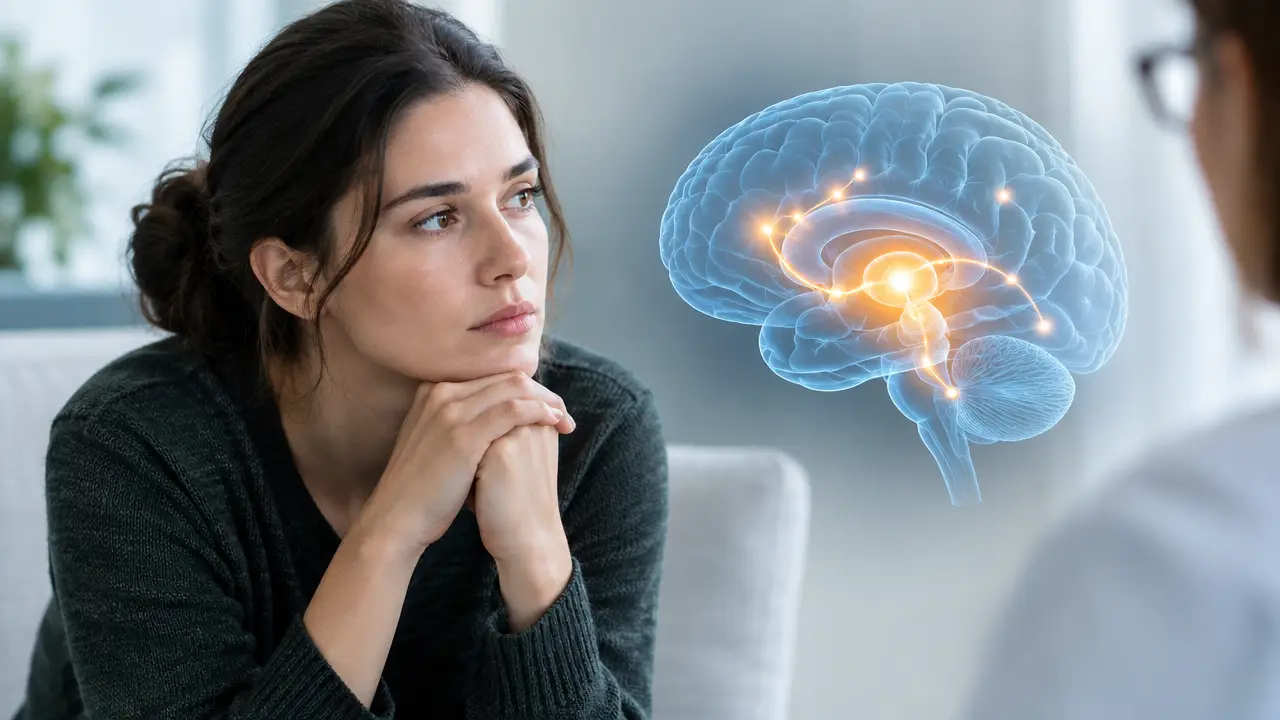
The popular understanding of dopamine and addiction goes something like this: drugs produce dopamine, dopamine produces pleasure, and people become addicted because they want more pleasure. This understanding is intuitive — and largely wrong in its most important details. The science of dopamine’s role in addiction is more interesting, more accurate, and more clinically useful than the pleasure myth suggests.
Understanding what dopamine actually does — and what addiction does to the dopamine system — transforms how we understand why people struggle to stop using, what early recovery feels like, and what recovery is actually restoring.
THE WANTING VS LIKING DISTINCTION
The most important correction to the pleasure myth was established through the work of Kent Berridge and his colleagues at the University of Michigan. Berridge’s research revealed a fundamental distinction that the pleasure model of dopamine missed entirely: the difference between wanting and liking.
Liking is the subjective experience of pleasure — the hedonic reaction to something rewarding. It involves a distinct, well-mapped neurochemical system in the brain, primarily involving opioid circuits and endocannabinoid systems. When something is pleasurable, you are liking it.
Wanting is the motivational drive toward something — the craving, urging, seeking, and compelling need to obtain a reward. Wanting involves dopamine specifically.
These two systems — liking and wanting — are separable. And the research shows something counterintuitive and clinically profound: in addiction, dopamine drives wanting far more powerfully than it drives liking. People with addiction are intensely compelled toward their substance (wanting is high) even when they report that using doesn’t produce the pleasure it once did (liking is low). This is tolerance: the wanting remains or intensifies while the pleasurable experience diminishes.
The behavioral result is what addiction looks like from the outside: someone desperately seeking and using a substance even when they freely admit it doesn’t make them feel good anymore, that it’s destroying their life, that they don’t really want to want it. The dopamine system is driving wanting independent of the liking experience.
HOW ADDICTION HIJACKS DOPAMINE
Understanding what addiction does to the dopamine system requires starting with how the healthy dopamine system works.
The healthy dopamine system:
In its healthy state, dopamine functions as a prediction error signal — essentially flagging the difference between expected and actual reward. When something better than expected happens, dopamine fires. When something expected doesn’t happen, dopamine dips. This system drives learning: rewarding things are tagged, remembered, and sought in the future.
Crucially, the dopamine system is sensitive to novelty and learning — firing strongly for new rewards and less strongly for familiar ones as the system updates its expectations. This is healthy adaptation.
How substances hijack this:
Addictive substances bypass the normal dopamine system’s careful calibration. They produce direct, massive dopamine release — far beyond what any natural reward produces — without requiring the behavioral learning that normally earns dopamine. Cocaine produces dopamine release up to 10 times the normal range; methamphetamine even more.
This produces several cascading changes:
Downregulation: The brain, responding to the sustained, artificial dopamine flooding, reduces the number and sensitivity of dopamine receptors. The system is protecting itself from overstimulation.
Anhedonia: With fewer and less sensitive dopamine receptors, natural rewards — food, sex, social connection, achievement — produce less response. The person in active addiction loses the ability to enjoy ordinary pleasures. This downregulation is the neurological basis of anhedonia.
Sensitization of wanting: While liking responses decrease through tolerance, the wanting circuits sensitize — actually becoming more reactive to substance-associated cues. The person experiences intense, urgent craving in response to substance cues even as the pleasure of using diminishes.
Loss of executive control: Chronic substance use impairs the prefrontal cortex — which normally provides top-down regulation of the dopamine system. With weakened prefrontal control, the compulsive wanting circuits operate with less inhibition.
TOLERANCE & ANHEDONIA
Two of the most important clinical features of addiction — tolerance and anhedonia — are both direct expressions of the dopamine system changes described above.
Tolerance:
Tolerance is the reduction in effect from the same dose, requiring more of the substance to produce the same experience. Neurobiologically, it reflects the downregulation of dopamine receptors — the brain’s adaptation to chronically elevated dopamine levels.
For the person in active addiction, tolerance is experienced as: using more just to feel normal; the original quantity no longer producing any effect; escalating doses to chase an effect that recedes.
Anhedonia:
Anhedonia — the inability to feel pleasure — is the downside of the dopamine system’s adaptation to substances. With receptors downregulated, natural rewards produce insufficient signal to produce enjoyment.
In early recovery, anhedonia is one of the most challenging experiences. Ordinary life feels flat, pleasureless, gray. Activities that were previously enjoyable feel empty. This is not depression (though it can look like it and co-exist with it) — it is the neurobiological reality of a dopamine system that has been downregulated by chronic substance use and is slowly recovering.
Understanding anhedonia as a temporary neurobiological recovery process — rather than a permanent state or evidence that sobriety is worse than using — is an important reframe that helps people persist through early recovery’s flatness.
WHAT RECOVERY RESTORES
Recovery — sustained abstinence from the substance — allows the dopamine system to progressively restore toward its pre-addiction state. This recovery is real, measurable, and has specific timelines.
What research shows about dopamine recovery:
Receptor restoration: Dopamine receptor numbers and sensitivity progressively recover with sustained abstinence. Studies using PET scanning show measurable increases in dopamine receptor availability over months of sobriety.
Return of pleasure: As receptors recover, the ability to experience pleasure from natural rewards returns. This is often described as one of the most transformative aspects of sustained recovery — the world becoming colorful again, food tasting good, music being beautiful.
Prefrontal recovery: The prefrontal cortex, which addiction impairs, shows functional recovery with sustained sobriety — improving impulse control, decision-making, and the ability to override craving.
Timeline: Recovery of the dopamine system is not immediate but is sustained. Research shows improvement over months and years, with the most rapid gains in early recovery (months 1-6) and continued improvement over multiple years.
Behavioral implications:
Physical activity is one of the most powerful natural dopamine supports — providing endogenous dopamine stimulation that aids the recovering system. This is part of why exercise is particularly valuable in recovery.
Novelty and learning — engaging in new activities, developing new skills — engage dopamine systems in healthy ways and support the recovery of natural reward.
Patience with early anhedonia — recognizing it as temporary neurobiological recovery rather than a permanent state — is essential for persisting through early recovery.
BEHAVIORAL IMPLICATIONS
Understanding the dopamine neuroscience of addiction has several direct implications for recovery behavior and clinical approach.
Craving is neurological, not moral:
The intense wanting produced by cue-triggered craving is a neurobiological event — dopamine-driven, conditioned, and not under simple voluntary control. This understanding reduces shame and supports the development of practical craving management tools (urge surfing, SOBER breathing, cue avoidance) rather than willpower-based approaches.
Anhedonia requires patience and substitution:
The flatness of early recovery is temporary. Supporting dopamine recovery through natural reward activities (exercise, social connection, novel experiences, learning) accelerates the neurobiological recovery.
Cue avoidance in early recovery:
Environmental cues associated with substance use (places, people, objects, situations) directly trigger dopamine wanting response through conditioned learning. Avoiding these cues in early recovery (when the prefrontal control is still recovering) reduces the intensity of craving that has to be managed.
Natural rewards and relationships matter:
Building a life rich in natural rewards — engaging work, genuine social connection, physical activity, creative expression — isn’t just life improvement; it’s actively supporting the dopamine system’s recovery and providing the competing reward experiences that make abstinence sustainable.
FREQUENTLY ASKED QUESTIONS
Is dopamine the “pleasure chemical”?
Only partially. Dopamine specifically drives wanting — the motivational compulsion toward rewards — more than liking (the subjective experience of pleasure). In addiction, wanting intensifies through sensitization while liking diminishes through tolerance. This distinction explains why addicted people desperately seek substances that no longer produce much pleasure.
What does addiction do to the dopamine system?
Substances produce massive, direct dopamine release that causes the brain to downregulate dopamine receptors (tolerance and anhedonia) and sensitize wanting circuits. The prefrontal cortex is impaired, reducing control over the compulsive wanting. The result is intense craving with diminishing pleasure from use.
What is anhedonia and when does it resolve?
Anhedonia — the inability to feel pleasure — reflects downregulated dopamine receptors in early recovery. It is a temporary neurobiological state, not a permanent condition. Research shows progressive receptor recovery over months of abstinence, with return of natural pleasure. Exercise and engaging in natural rewards accelerate recovery.
Does the brain fully recover from addiction?
For most people, significant dopamine system recovery occurs with sustained abstinence — with measurable receptor restoration and return of prefrontal function. Research on long-term abstinence shows substantial recovery, though the brain isn’t simply “reset” to pre-addiction state. Recovery is genuine and meaningful, even if not identical to a pre-addiction state.
Recommended Reading
- Behavioral Addictions Overview: Real Disorders, Real Treatment
- The ‘Hijacked Brain’ Explained: Addiction as Disease
- Exercise in Recovery: A Clinical Prescription
- Services and Programs at Oceánica
EXTERNAL REFERENCE LINKS
- NIDA — Drugs and the Brain
- NIH — Dopamine and Addiction Research
- SAMHSA National Helpline
- Oceánica Conecta
Oceánica is a CARF-accredited residential treatment center in Mazatlán, Mexico. This article is informational and not medical advice. Call (213) 527-3377 or visit oceanica-usa.com.