
IMPORTANT DISCLAIMER: Medication for alcohol use disorder must be selected by a qualified clinician. This article is informational and does not provide prescribing advice or replace assessment of alcohol withdrawal risk.
MEDICATION CAN BE PART OF ALCOHOL RECOVERY
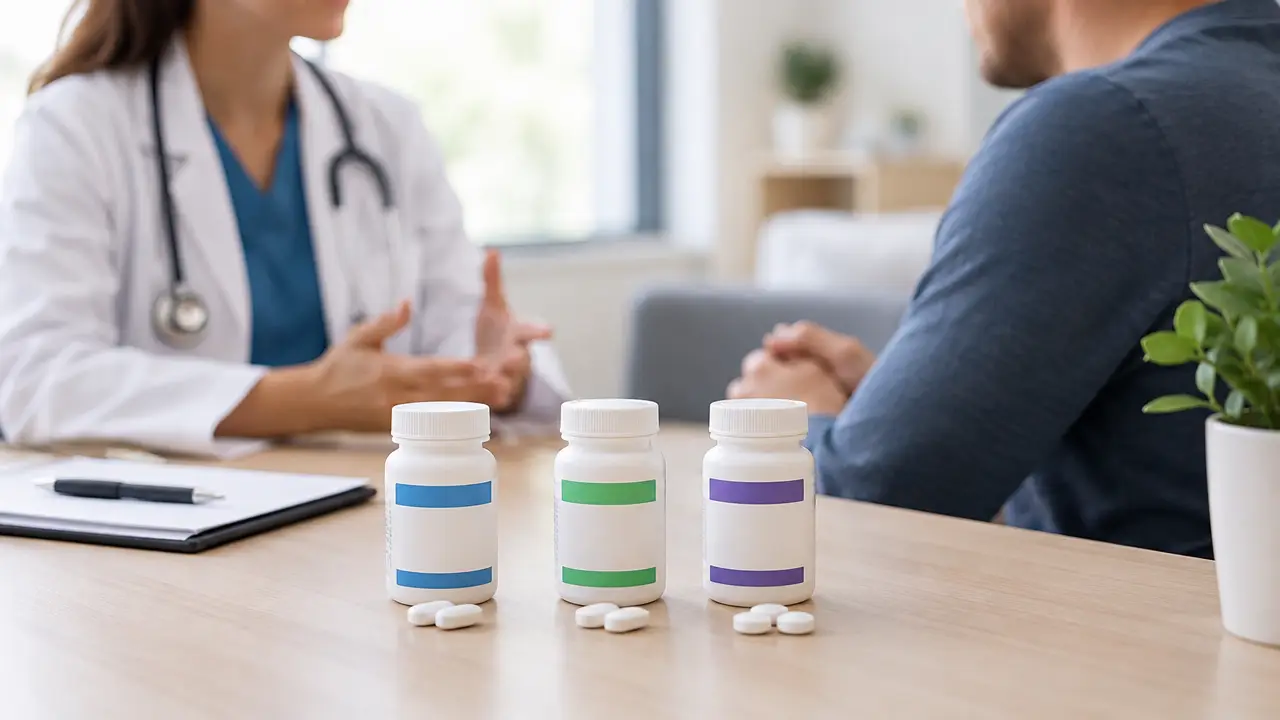
Medications for alcohol use disorder can help some people reduce drinking, maintain abstinence, or manage the biological pressures that make early recovery difficult. In the United States, the FDA has approved three medications for alcohol use disorder: naltrexone, acamprosate, and disulfiram.
None of these medications is a stand-alone cure. They work best when the choice is individualized and combined with appropriate behavioral treatment, medical care, recovery support, and attention to the factors that sustain drinking.
The medications also work in very different ways. One person may benefit from reduced alcohol reward or craving, another may need support maintaining abstinence after detox, and another may respond to a medication that creates a strong deterrent to drinking.
NALTREXONE: REDUCING THE REWARD FROM ALCOHOL
Naltrexone blocks opioid receptors involved in alcohol’s reinforcing effects. It is available in oral form and as a long-acting injection. For some patients, it can reduce the urge to drink or reduce the likelihood that a drinking episode progresses into heavy drinking.
Naltrexone is not appropriate for everyone. Because it blocks opioid receptors, it can precipitate withdrawal in a person who is physically dependent on opioids and can interfere with opioid pain treatment. Clinicians also consider liver health and other medical factors when deciding whether it is appropriate.
The practical advantage is that naltrexone does not create an illness reaction if alcohol is consumed. The goal is to change the reinforcing relationship with alcohol, not to punish a lapse.
ACAMPROSATE: SUPPORTING ABSTINENCE AFTER STOPPING
Acamprosate is generally used to help people maintain abstinence after they have stopped drinking. Its exact mechanisms are complex, but clinically it is used to reduce the discomfort and instability that can accompany the brain’s adaptation to ongoing abstinence.
It is taken multiple times per day, so adherence matters. Kidney function is an important prescribing consideration. Acamprosate does not treat acute alcohol withdrawal and should not be confused with medications used during medically supervised detoxification.
For a patient whose goal is abstinence and who has already completed withdrawal, acamprosate may be one option to discuss with a physician.
DISULFIRAM: CREATING A DETERRENT TO DRINKING
Disulfiram works differently. It interferes with alcohol metabolism so that drinking alcohol can produce an unpleasant reaction. The medication is intended to create a deterrent, not to reduce craving directly.
Because the reaction can be medically significant, patients need clear education about avoiding alcohol in beverages, medications, and other products that may contain it. Disulfiram also requires attention to medical contraindications and medication interactions.
It tends to be most useful when the person is motivated for abstinence and medication adherence can be monitored or strongly supported. It is less useful when a patient repeatedly chooses not to take it before drinking.
HOW DO CLINICIANS CHOOSE AMONG THEM?
Medication selection depends on the patient’s treatment goal, drinking pattern, opioid use or pain treatment, liver and kidney health, other medications, prior response to treatment, ability to adhere to dosing, and personal preference.
There is no universal ‘best pill for alcoholism.’ A medication that is appropriate for one patient may be unsuitable for another. The evaluation should also include withdrawal risk: none of these three medications substitutes for medically supervised management of dangerous alcohol withdrawal.
Medication is one part of a broader plan. Behavioral therapies can help people identify triggers, strengthen coping skills, rebuild routines, address relationships, and prevent return to heavy drinking.
MEDICATION MANAGEMENT AT OCEANICA
Oceánica treats alcohol use disorder within a residential program that begins with clinical assessment and medically supervised detoxification when needed. Physicians evaluate medication options based on each patient’s medical history, current medications, withdrawal risk, and recovery goals.
The residential program also includes individual psychotherapy, group therapy, psychiatric support when indicated, family involvement, and relapse-prevention planning. Medication decisions are made by qualified clinicians and are not based on a one-size-fits-all protocol.
Call (213) 527-3377 to speak with the admissions team about alcohol treatment and whether Oceánica is an appropriate fit.
FREQUENTLY ASKED QUESTIONS
What medications are FDA-approved for alcohol use disorder?
Naltrexone, acamprosate, and disulfiram are FDA-approved medications for alcohol use disorder in the United States.
Which medication is best for alcohol cravings?
There is no single best medication for everyone. Naltrexone can reduce alcohol reward and urge for some people, while acamprosate is generally used to support abstinence. The choice depends on medical history and treatment goals.
Can these medications be used during alcohol detox?
They do not replace medications and monitoring used for acute alcohol withdrawal. Detox needs to be planned separately when withdrawal risk is present.
Can naltrexone be used if someone takes opioids?
Naltrexone blocks opioid receptors and may be inappropriate when a person is using opioids, is physically dependent on them, or needs opioid pain treatment. A clinician must evaluate this carefully.
Does medication replace therapy for alcohol addiction?
No. Medication can be an important part of treatment, but behavioral therapy, recovery planning, family support, and continuing care remain important for many patients.
Recommended Reading
- Alcohol Use Disorder Treatment: From Diagnosis to Recovery
- Medical Detox in Mexico: Safe, Supervised Withdrawal
- Vivitrol (Naltrexone) Injection: How It Works for Recovery
- Services and Programs at Oceánica
EXTERNAL REFERENCE LINKS
- NIAAA – Understanding Alcohol Use Disorder
- NIAAA – Treatment for Alcohol Problems: Finding and Getting Help
- SAMHSA – Quality Treatment for Mental Health, Drugs and Alcohol
- Oceánica Conecta
Oceánica is a CARF-accredited residential treatment center in Mazatlán, Mexico. Patients are assessed individually for program fit, medical needs, and appropriate level of care. This article is informational and not medical advice. Call (213) 527-3377 or visit oceanica-usa.com.