
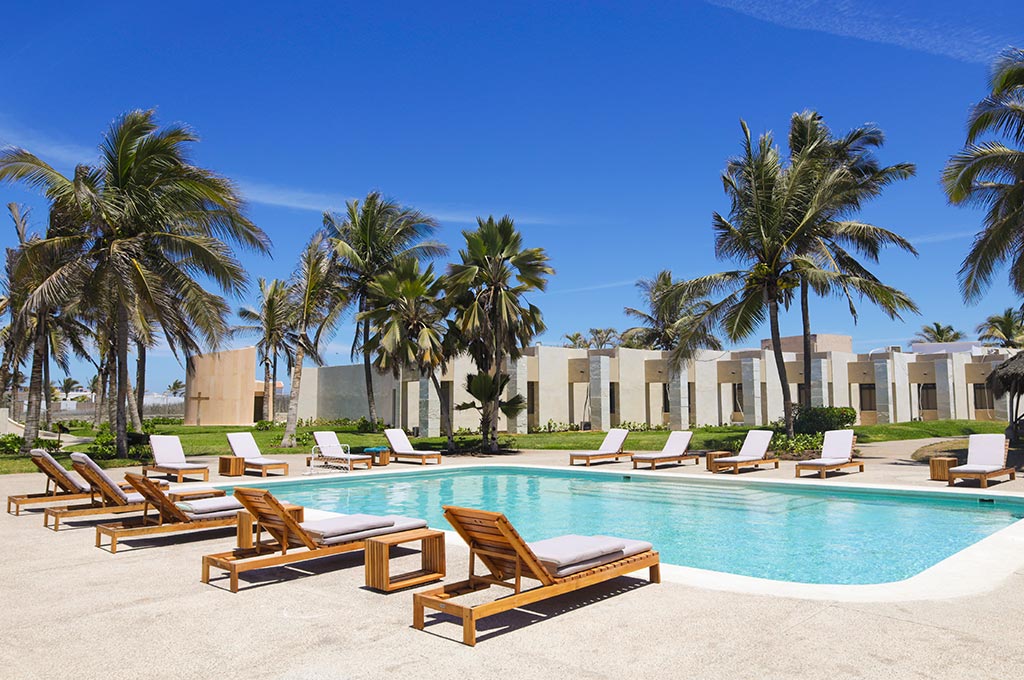
Why Are So Many Americans Choosing Rehab in Mexico?
The United States faces a persistent addiction crisis. According to the Substance Abuse and Mental Health Services Administration (SAMHSA), more than 48 million Americans aged 12 or older had a substance use disorder in 2022. Yet access to quality treatment remains out of reach for millions — blocked by cost, insurance limitations, or simply the scarcity of available beds at reputable facilities. Mexico, and specifically its Pacific and Caribbean coastal regions, has developed a robust ecosystem of internationally accredited rehabilitation centers staffed by U.S.- and European-trained clinicians. These centers offer evidence-based treatment modalities at 50 to 70 percent lower cost than comparable programs in the United States — without compromising clinical outcomes. Key Statistics at a Glance
- 70% — Average cost savings vs. U.S. rehab programs
- 48M+ — Americans with substance use disorder (SAMHSA, 2022)
- 90+ — Days of comprehensive care available at Oceánica
- 24/7 — Medical supervision and clinical support on-site
What to Expect from a Quality Rehab Center in Mexico
Not all rehabilitation centers are created equal. When evaluating any program — whether in the U.S. or abroad — there are key clinical and operational standards you should demand. At Oceánica, we hold ourselves to the highest benchmarks in addiction medicine.
Evidence-Based Clinical Treatment
Reputable Mexican rehab centers use the same evidence-based treatment frameworks recognized by the National Institute on Drug Abuse (NIDA), including:
- Cognitive Behavioral Therapy (CBT) — the gold standard for identifying and restructuring addictive thought patterns.
- Dialectical Behavior Therapy (DBT) — especially effective for dual-diagnosis patients with emotional regulation challenges.
- Motivational Interviewing (MI) — a collaborative counseling approach that strengthens internal motivation for change.
- 12-Step Facilitation and SMART Recovery — peer-based frameworks that build long-term sobriety community.
- Medication-Assisted Treatment (MAT) — where clinically appropriate, using FDA-approved medications to manage withdrawal and cravings.
Medical Detox and 24/7 Supervision
The first phase of treatment — detoxification — is medically serious. Withdrawal from alcohol, benzodiazepines, or opioids can be life-threatening without proper medical oversight. At Oceánica, our licensed physicians and nursing staff provide round-the-clock monitoring, administering comfort medications and vital-sign tracking throughout the detox process. Important: Always verify that any rehab center in Mexico has a licensed physician on staff and documented medical protocols for managing withdrawal emergencies before enrolling in a program.
Treatment Programs Offered at Oceánica
Oceánica’s clinical team designs individualized treatment plans based on a comprehensive intake assessment. Our core programs include:
- 30-Day Intensive Residential — Structured daily programming for individuals requiring focused, immersive treatment with medical support.
- 45-Day Comprehensive Care — Extended residential treatment with deeper trauma work, family therapy, and relapse prevention planning.
- Medical Detox — Supervised withdrawal management with 24/7 nursing and physician support as a standalone or entry into residential care.
- Dual Diagnosis Treatment — Integrated care for co-occurring mental health disorders including depression, anxiety, PTSD, and bipolar disorder.
- Family Therapy Program — Structured family sessions to rebuild communication, set healthy boundaries, and support the recovery ecosystem.
Rehab in Mexico vs. Rehab in the United States: A Realistic Comparison
Understanding the differences — and the similarities — between treatment in Mexico and the U.S. helps patients and families make an informed decision.
| Factor | Rehab in Mexico (Oceánica) | Rehab in the U.S. (Average) |
| 35-Day Program Cost | $16,000 | $35,000+ |
| Evidence-Based Treatment | Yes | Yes |
| Licensed Physicians On-Site | Yes | Varies by center |
| Private Rooms Available | Yes | Often at higher tier |
| Dual Diagnosis Treatment | Yes | Varies by center |
| Insurance Accepted | Some international plans | Most U.S. plans |
| Ocean / Nature Setting | Yes — coastal facility | Select locations only |
| English-Speaking Staff | Yes | Yes |
| Patient-to-Therapist Ratio | 8-10:1 | Often 10:1 or higher |
Is Rehab in Mexico Safe? Addressing Common Concerns
Safety is the first question every family asks — and rightly so. The short answer is: yes, rehab in Mexico is safe when you choose an accredited, properly licensed facility in a secure area, CARF and NAATP.
- Mexican health authority licensing — the center should be registered with COFEPRIS (Mexico’s FDA equivalent) or the relevant state health authority.
- Verifiable clinical staff credentials — therapists and physicians should have university degrees and certifiable licenses from recognized institutions.
- Transparent admissions process — reputable centers conduct clinical intake assessments before admission, not just payment processing.
- Published contact information and physical address — legitimate centers don’t hide their location or identity.
- Emergency protocols and hospital partnerships — ask about their agreement with the nearest hospital for medical emergencies.
“Choosing to get help was the hardest decision I ever made. Choosing Mexico was the smartest. The care I received at Oceánica was more personal and more thorough than anything I’d encountered back home — and I could actually afford to complete the full treatment.” — Former Oceánica patient, 38, California
The Oceánica Difference: Where Healing Meets the Ocean
Oceánica was founded on a single belief: that world-class addiction treatment should be accessible to anyone who needs it — not just those with premium insurance or substantial savings. Located along Mexico’s Pacific coast, our facility offers a therapeutic environment that combines clinical excellence with the restorative power of nature.
Our Clinical Philosophy
We treat the whole person — not just the addiction. Every patient at Oceánica receives a personalized treatment plan that integrates:
- Individual psychotherapy sessions
- Group therapy facilitated by licensed counselors
- Trauma-informed care and EMDR for PTSD and trauma histories
- Nutritional therapy and physical wellness programming
- Mindfulness, meditation, and ocean-based wellness activities
- Aftercare planning and continuing care coordination with U.S.-based providers
How to Choose the Right Rehab in Mexico
The decision to pursue treatment abroad carries significant weight. Here is a practical framework for evaluating your options:
Step 1: Define Your Clinical Needs
Do you require medically supervised detox? Do you have a co-occurring mental health condition? The answers determine which programs are clinically appropriate for you — and eliminate unsuitable options quickly.
Step 2: Verify Accreditation and Licensing
Request documentation of the center’s operating license and any international accreditations. The Joint Commission International (JCI) and CARF International are the two most recognized accreditation bodies for behavioral health programs outside the U.S.
Step 3: Speak Directly with a Clinician
Any reputable center will offer a free, no-obligation clinical consultation with a licensed professional — not just a sales representative. Use this opportunity to ask specific questions about their treatment model, staff qualifications, patient-to-therapist ratio, and aftercare services.
Step 4: Understand the Full Cost Structure
Ask for an all-inclusive breakdown. Some centers advertise a low base rate but charge separately for detox, medical care, individual therapy, or excursions. At Oceánica, our pricing is fully transparent with no hidden fees.
Step 5: Evaluate Aftercare and Continuity of Care
Sustained sobriety depends heavily on what happens after residential treatment. Ask how the center coordinates with outpatient providers, sober living homes, or therapists in your home community after discharge.
Trusted External Resources for Addiction Recovery
The following organizations provide authoritative, free information on addiction treatment and recovery support:
Free, confidential 24/7 treatment referral service from the U.S. Dept. of Health and Human Services.
National Institute on Drug Abuse evidence-based guide to effective addiction treatment.
Global gold standard for healthcare quality and patient safety accreditation.
Leading accreditation body for behavioral health and addiction treatment programs worldwide.
International peer-support fellowship for individuals recovering from alcohol use disorder.
Science-based alternative to 12-step programs, with meetings available worldwide and online.
Frequently Asked Questions About Rehab in Mexico
Is rehab in Mexico safe for U.S. citizens?
Yes — when you choose a licensed, accredited facility in a secure coastal community. Oceánica operates in a private, gated environment with security personnel on-site. Mexico has sophisticated medical infrastructure, particularly in resort areas, with modern hospitals and internationally trained physicians.
How much does rehab in Mexico cost?
A 35-45 day residential program at Oceánica typically starts from $16,000, depending on the level of care and accommodation selected. This compares to $14,000–$35,000+ for equivalent programs in the United States, representing savings of 50–70%.
Will my U.S. health insurance cover rehab in Mexico?
Some U.S. insurance plans with international coverage will reimburse a portion of treatment costs. PPO plans are most likely to have out-of-network benefits that may apply. Our admissions team can help you verify your benefits and provide the documentation your insurance company requires.
Do the staff at Mexican rehab centers speak English?
At Oceánica we have a bilingual support team in English and Spanish.
What substances does Oceánica treat?
We treat all forms of substance use disorder, including alcohol, opioids (heroin, fentanyl, prescription pain relievers), cocaine and stimulants, benzodiazepines, methamphetamine, and cannabis use disorder. We also treat behavioral addictions and process disorders.
Can family members visit during treatment?
Yes. We encourage family involvement as a key component of the recovery process. Oceánica offers scheduled family visiting days and a dedicated family therapy program. Transportation and accommodation recommendations near our facility are available upon request.
How do I get to Oceánica from the U.S.?
We provide airport pickup and transfer services for all admitted patients. Our admissions coordinators will work with you on travel arrangements from your nearest major U.S. airport. Most patients arrive within a 3–5 hour total travel time from major U.S. cities.