
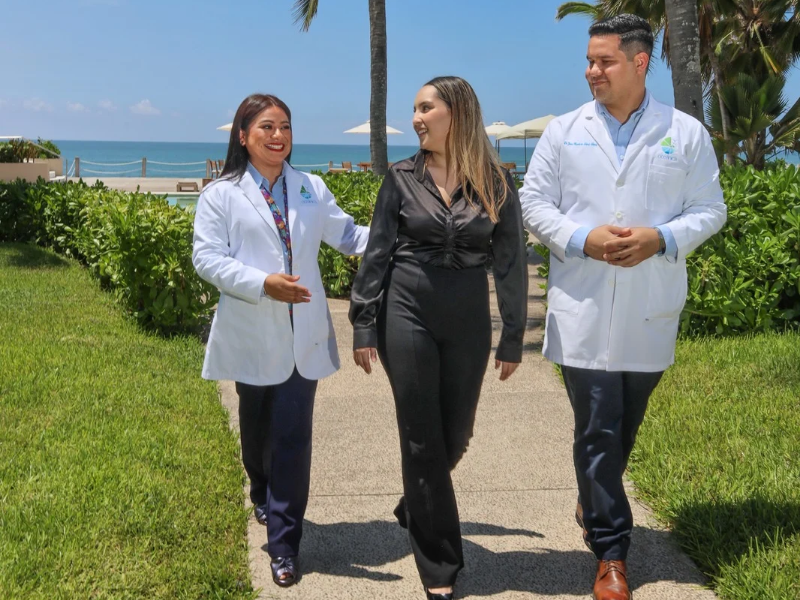
When patients travel from the United States to Mexico for alcohol rehab, one question matters more than almost any other for long-term success: what happens after they go home? Treatment abroad is highly effective, but recovery doesn’t end at the airport. Staying sober requires a structured aftercare plan that bridges the gap between the treatment environment in Mexico and daily life back home.
This article explains why aftercare determines outcomes, how to return home with a solid plan, the role of continuing therapy and mutual-aid groups in the U.S., and how Oceánica supports patients in sustaining their recovery across the border.
—
WHY AFTERCARE DETERMINES OUTCOMES
It is one of the most consistent findings in addiction treatment: what happens after the formal program ends is as important as the program itself. Residential treatment provides the foundation — detox, intensive therapy, skills, and insight — but aftercare is what carries that foundation into a sustained, sober life.
The reason is straightforward. Alcohol use disorder is a chronic condition, and the period after treatment is when a person re-enters the real world, with all its old triggers and stresses, without the protective structure of the facility. Aftercare provides the continued support, accountability, and structure that protect recovery during this vulnerable transition.
For patients who traveled abroad for treatment, this is especially important to plan deliberately. The geographic distance that provided privacy and a fresh start during treatment means the aftercare must be intentionally arranged to take place at home. A great treatment experience in Mexico, followed by a return home with no plan, leaves recovery exposed. A great treatment experience followed by a strong, prearranged aftercare plan sets the stage for lasting success.
—
RETURNING HOME WITH A PLAN
The single most important principle is this: the aftercare plan should be in place before the patient leaves Mexico, not figured out after they get home. A well-constructed aftercare plan, developed with the clinical team during treatment, typically addresses:
- Continued therapy or counseling at home, ideally arranged before discharge
- Participation in support groups in the patient’s local community
- A relapse-prevention plan, with identified triggers and concrete strategies
- Coordination of any ongoing medication with a provider at home
- A healthy daily structure — work, exercise, sleep, and routines
- A support network of family and trusted people who understand the recovery process
- A clear plan for what to do, and whom to contact, if cravings intensify or a crisis arises
Returning home with this plan in hand transforms the transition. Instead of facing an uncertain re-entry, the person steps back into daily life with a clear roadmap and prearranged support already waiting.
—
CONTINUING THERAPY IN THE U.S.
For patients returning to the United States, continuing therapy is a cornerstone of aftercare. The deep work begun in residential treatment doesn’t finish in a few weeks; ongoing therapy sustains and extends it.
Options for continued care in the U.S. include:
- Outpatient therapy with a licensed addiction counselor or therapist
- Intensive outpatient programs (IOPs) for those who want more structured, frequent support
- Psychiatric follow-up for anyone managing co-occurring conditions or medication
- Telehealth therapy, which has made continued care more accessible than ever, regardless of location
A key advantage to plan around: arranging this care before leaving Mexico means there is no gap. The patient can transition directly from residential treatment into outpatient support, maintaining momentum at the most vulnerable time. Oceánica’s clinical team helps patients identify and coordinate these resources in their home community as part of discharge planning.
—
MUTUAL-AID GROUPS
Alongside professional therapy, mutual-aid and peer support groups are one of the most accessible and powerful tools for staying sober. They provide community, accountability, shared experience, and a sense of belonging — antidotes to the isolation that fuels relapse.
The landscape of peer support is broad, so people can find what fits them:
- 12-step programs such as Alcoholics Anonymous (AA), which are widely available across the U.S. with meetings in nearly every community and online
- Alternative peer-support groups for those who prefer a different framework
- Online and virtual meetings, which make support accessible anytime, anywhere
- Recovery communities and sober social networks that build sober connection
The strengths of these groups are their accessibility (most are free and widely available), their availability (meetings happen daily, including online), and the unique value of connecting with others who truly understand. For many people, a regular meeting becomes an anchor of their week and a reliable source of support. Finding a group and connecting before or immediately after returning home is a smart, protective step.
—
OCEÁNICA’S AFTERCARE SUPPORT
Oceánica understands that treating patients from the U.S. and elsewhere means thinking carefully about the transition home. Aftercare planning is built into the treatment experience, not left as an afterthought.
As part of the program, Oceánica’s clinical team works with each patient to:
- Develop an individualized aftercare plan before discharge
- Identify and help coordinate continued therapy and support resources in the patient’s home community
- Build a personalized relapse-prevention plan grounded in the patient’s specific triggers and circumstances
- Coordinate any ongoing medication or mental health care with providers at home
- Involve family where appropriate, so the patient returns to a supportive environment
- Prepare the patient practically and emotionally for re-entry
The goal is a seamless bridge from the structured environment of treatment in Mexico to a supported, sober life back home. Recovery is a long-term journey, and the strength of that bridge — the aftercare plan — is one of the biggest factors in whether the gains made in treatment endure.
If you or a loved one is considering treatment at Oceánica, the admissions team can explain how aftercare planning works and how the program supports lasting recovery beyond the stay itself.
—
FREQUENTLY ASKED QUESTIONS
- Why is aftercare so important after rehab?
Aftercare provides the continued support, structure, and accountability that protect recovery during the vulnerable transition back to daily life. Alcohol use disorder is chronic, so ongoing care after the program is essential for lasting sobriety.
- How do I stay sober after returning from rehab in Mexico?
By following an aftercare plan prepared before discharge: continued therapy at home, participation in support groups, a relapse-prevention plan, healthy routines, and a support network — all arranged in advance to avoid any gap in care.
- Can I continue therapy in the U.S. after treatment in Mexico?
Yes. Options include outpatient therapy, intensive outpatient programs, psychiatric follow-up, and telehealth. Oceánica’s team helps coordinate these resources in your home community before discharge.
- Does Oceánica help with aftercare planning?
Yes. Oceánica builds individualized aftercare planning into treatment, helping each patient arrange continued therapy, support groups, relapse prevention, and any ongoing care in their home community before they leave.
—
SUGGESTED INTERNAL LINKS
- Life After Alcohol Rehab: The First Year in Recovery
- Relapse Prevention Strategies
- Aftercare Planning in Rehab
- Services and Programs at Oceánica
EXTERNAL REFERENCE LINKS
- Oceánica conecta
- SAMHSA — Recovery and Recovery Support
- NIAAA — Recovery from Alcohol Use Disorder
- SAMHSA National Helpline
—
Oceánica is a CARF-accredited residential treatment center in Mazatlán, Mexico, where aftercare planning bridges the transition from treatment to lasting recovery at home. Call (213) 527-3377 or visit oceanica-usa.com.







