When prospective patients see that Oceánica has a pool, many assume it’s primarily a luxury feature — something that makes the facility comfortable rather than clinical. The pool is genuinely available and genuinely enjoyable. But its therapeutic value goes significantly beyond recreation, and understanding why helps frame what wellness in residential treatment actually looks like.
Water has a particular relationship to human psychology and physiology that has been recognized across cultures and throughout history. The experience of immersion, buoyancy, aquatic movement, and sensory engagement with water contributes to recovery in ways that are both physiologically grounded and intuitively understood by most people who enter a pool.
AQUATIC EXERCISE BENEFITS
The physical exercise benefits of swimming and aquatic activity are well-documented and highly relevant to recovery:
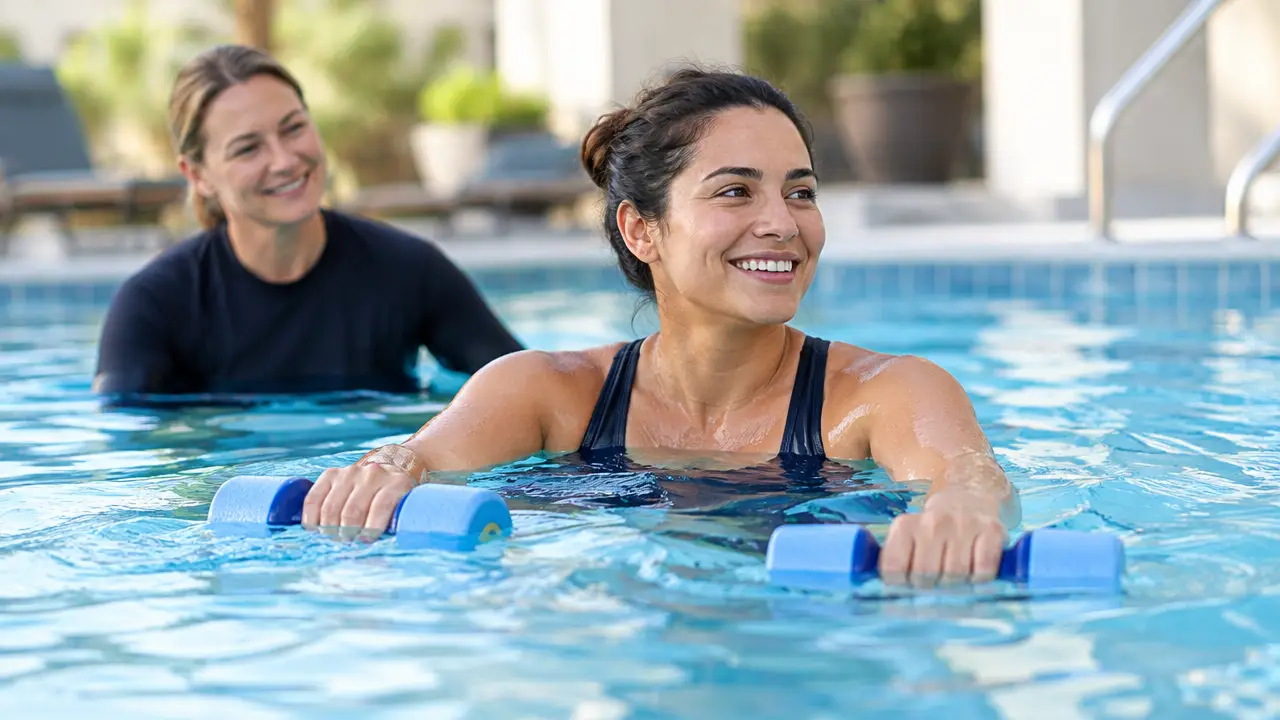
Full-body low-impact exercise. Swimming engages essentially every major muscle group while reducing the joint stress of land-based exercise. For patients who may be physically deconditioned, overweight, or have joint issues from the physical wear of active addiction, aquatic exercise provides cardiovascular and muscular benefit with lower injury risk.
Cardiovascular benefits. Swimming is one of the most effective cardiovascular exercises available. Regular aquatic activity improves heart and lung function — directly relevant to the cardiovascular damage that heavy alcohol and stimulant use can produce.
Caloric expenditure and physical recovery. For patients who need to restore physical vitality depleted by active addiction, the significant caloric expenditure of swimming supports healthy weight restoration and physical rebuilding.
Mood benefits of aquatic exercise. The mood-enhancing effects of physical exercise (endorphin release, BDNF production, serotonin support) are present in aquatic exercise as in all exercise. Swimming produces the same neurochemical benefits as other aerobic activity.
HYDROTHERAPY HISTORY
The therapeutic use of water — hydrotherapy — has roots in ancient healing traditions. Greek, Roman, Japanese, and many other traditions used baths, thermal springs, and water immersion for healing. Modern medicine has maintained specific applications of hydrotherapy in rehabilitation settings.
Warm water immersion specifically:
- Reduces muscle tension. The warmth and buoyancy of water physically relax muscles that carry the tension of chronic stress and trauma.
- Activates the parasympathetic nervous system. The combination of warmth, buoyancy, and sensory stimulation of water supports the parasympathetic response — the same calming branch of the autonomic nervous system that mindfulness and yoga activate.
- Reduces pain and physical discomfort. For patients dealing with withdrawal-related musculoskeletal discomfort, the pool provides genuine physical relief.
In clinical rehabilitation settings, hydrotherapy is an established practice. In residential addiction treatment, pool access provides a more informal version of these same physiological benefits.
POOL AS SOCIAL SPACE
Beyond the physical and physiological dimensions, the pool serves a social function that is therapeutically significant.
Informal peer connection. Pool time creates natural, unforced social interaction among peers in recovery. Unlike the explicit therapeutic processing of group therapy, social connection in the pool happens in a relaxed, playful context — which is itself a therapeutic rehearsal for the social ease without substances that recovery aims to restore.
Play and laughter. Many people in active addiction have lost the capacity for genuine, lighthearted play. The pool — with its inherent invitation to splash, float, and be physically unconstrained — reconnects people with a form of embodied joy that substances often seemed to provide and gradually destroyed.
Reduced self-consciousness. Water has a particular leveling quality — in a pool, social hierarchies relax, bodies are equally present, and the shared physical experience creates a kind of social ease. For people who carry shame about their bodies (common in recovery from substance use and eating disorders), the pool can gradually support a healthier relationship with physical self.
Cross-cultural socializing. In international treatment settings like Oceánica, where patients may come from different backgrounds, the pool provides a shared physical space where language barriers matter less and human connection happens more naturally.
MINDFUL SWIMMING PRACTICE
Swimming can be practiced as a mindfulness exercise — a particularly accessible form of moving meditation for people who find seated meditation difficult.
What mindful swimming involves:
Attention to sensation. Placing full attention on the physical sensations of swimming — the feeling of water on skin, the rhythm of the breath, the muscular effort of the stroke, the buoyancy supporting the body. This is the same attentional cultivation as meditation, applied to movement.
Breath awareness. Swimming requires coordination with the breath in ways that naturally promote awareness of breathing. The regulated breathing of swimming activates parasympathetic responses similar to conscious breathwork.
Rhythm as anchor. The rhythmic, repetitive quality of swimming strokes provides a sensory anchor similar to the breath in seated meditation — something to return attention to when the mind wanders.
Embodied present-moment experience. In water, the sensory environment is profoundly present-tense — the cool or warm water, the pressure and flow, the sounds. This sensory richness supports the presence-focused awareness that mindfulness cultivates.
At Oceánica, the pool is available not just as exercise but as a contemplative space — particularly in quieter moments of the day.
OCEÁNICA’S POOL FACILITIES
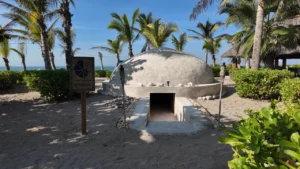
Oceánica’s pool is available to patients throughout the residential program — during scheduled activity periods and during appropriate free time. Pool access is integrated into the daily program as part of the wellness offerings alongside the gym, volleyball court, soccer field, and temazcal.
The Mazatlán coastal climate means that pool use is comfortable year-round — a specific advantage of treatment in this location, which receives over 300 days of sunshine annually. For patients coming from cold northern climates (particularly relevant to seasonal affective disorder or for those entering treatment in winter months), the warm, sunny pool environment provides a particularly notable contrast and benefit.
Pool guidelines are established by the clinical team, and all aquatic activity is appropriate to each patient’s individual health status and physical capacity as assessed at admission.
FREQUENTLY ASKED QUESTIONS
Is the pool at Oceánica available during treatment?
Yes. Oceánica’s pool is available to patients throughout the residential program during scheduled and appropriate free time. Pool use is integrated into the wellness program alongside the gym, volleyball, soccer, and temazcal.
What are the clinical benefits of pool time in rehab?
Full-body cardiovascular exercise with low joint impact, parasympathetic nervous system activation from warm water immersion, mood benefits of aquatic exercise, informal peer social connection, play and embodied joy, and the mindfulness cultivation available through attentive swimming.
Can swimming be a form of meditation?
Yes. Mindful swimming — placing full attention on the sensations of movement, breath, and water — is a form of moving meditation that achieves similar neurological and psychological effects to seated mindfulness while providing physical exercise. It’s particularly accessible to people who find seated meditation difficult.
Does Oceánica offer ocean swimming?
No. Oceánica’s pool is the aquatic facility; ocean swimming is not an organized activity at Oceánica. The facility is located in Mazatlán’s coastal Pacific environment.
Recommended Reading
- Wellness Activities in Rehab: Beyond Therapy Hours
- Holistic Rehab in Mexico: Healing Mind, Body, and Spirit
- Exercise in Recovery: A Clinical Prescription
- Services and Programs at Oceánica
EXTERNAL REFERENCE LINKS
- NIMH — Physical Activity and Mental Health
- SAMHSA — Wellness in Recovery
- NIDA — Complementary and Integrative Approaches
- Oceánica Conecta
Oceánica is a CARF-accredited residential treatment center in Mazatlán, Mexico, with a pool available throughout the residential program. This article is informational and not medical advice. Call (213) 527-3377 or visit oceanica-usa.com.