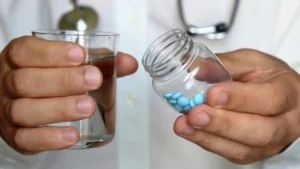

There is a particular kind of confusion and shame in becoming addicted to a medication a doctor prescribed. It doesn’t fit the stereotype of “drug addiction.” It often begins with a real medical need — pain, anxiety, sleeplessness — and a legitimate prescription. Yet prescription drug addiction has become one of the largest health crises of our time, affecting people from every walk of life, including those who never imagined a medication could take hold of them.
This article offers a clear-eyed look at prescription drug addiction: the medications most commonly involved, how legitimate medical use can become misuse, why even attentive doctors don’t always catch it, what treatment looks like, and how to talk to family and employers. The goal is understanding and a path forward, free of judgment.
—
MOST COMMONLY ABUSED PRESCRIPTIONS
While many medications can be misused, three categories account for the majority of prescription drug addiction. Understanding them helps clarify the landscape.
- Opioid pain relievers. Medications such as oxycodone, hydrocodone, and similar opioids are prescribed for pain but carry a significant risk of dependence and addiction. They are central to the broader opioid crisis.
- Central nervous system depressants. This category includes benzodiazepines (such as alprazolam and clonazepam), prescribed for anxiety or sleep, and some sleep medications. They carry real dependence risk, and — importantly — withdrawal from benzodiazepines can be medically dangerous.
- Stimulants. Medications prescribed for conditions like ADHD can be misused for their stimulating effects, and carry their own risks of dependence and harm.
Each of these categories serves legitimate medical purposes for many patients. The issue is not that these medications exist or are prescribed, but that they carry risks that, in some people and circumstances, lead to dependence and addiction. Different categories also require different treatment approaches — opioid addiction, benzodiazepine addiction, and stimulant addiction each have specific considerations addressed in dedicated articles.
—
HOW MEDICAL USE BECOMES MISUSE
The path from appropriate medical use to misuse and addiction is rarely a single dramatic moment. It’s usually a gradual slide, which is part of what makes it so insidious. Common pathways include:
- Tolerance and escalation. Over time, the prescribed dose may become less effective, leading a person to take more — sometimes outside the doctor’s guidance — to achieve the original effect.
- Using for a different purpose. A medication prescribed for pain, anxiety, or sleep starts being used to cope with stress, emotions, or simply to feel “normal.”
- Physical dependence deepening. As the body adapts, stopping becomes uncomfortable or distressing, reinforcing continued use.
- Running out early and seeking more. The person finishes prescriptions ahead of schedule and seeks additional sources.
- Crossing into compulsive use. Eventually, use becomes compulsive and continues despite negative consequences — the hallmark of addiction.
A crucial point: this slide often happens without any intention to “abuse” drugs. The person isn’t seeking to get high in the conventional sense; they’re often chasing relief, normalcy, or the avoidance of withdrawal. Recognizing this removes much of the shame and clarifies that prescription addiction is a medical issue, not a moral failing — one that deserves compassionate, professional help.
—
WHY DOCTORS DON’T ALWAYS SEE IT
A reasonable question is: if these medications are prescribed by doctors, why don’t doctors always catch the problem? There are several understandable reasons.
- The use looks legitimate. Because it began with a real prescription for a real condition, problematic use can blend in with appropriate treatment.
- Patients may not disclose. Shame, fear of losing the medication, or not recognizing the problem themselves can lead patients to underreport their use.
- Fragmented care. A person may see multiple providers who don’t share a complete picture, making escalation hard to detect (though prescription monitoring programs increasingly help).
- Genuine medical need coexists with problematic use. The underlying pain or anxiety is often real, which complicates the picture for both patient and doctor.
- Time and system constraints. Brief appointments don’t always allow for deep exploration of how a medication is truly being used.
None of this is to blame doctors or patients; it’s to explain why prescription addiction can develop quietly. The takeaway is the importance of honest communication and self-awareness. When patients can speak openly about their use and concerns — and when they recognize warning signs themselves — problems get caught earlier. And when addiction has developed, specialized treatment, rather than the prescribing relationship alone, is often what’s needed.
—
TREATMENT APPROACH
The good news is that prescription drug addiction is highly treatable, and effective, evidence-based approaches exist. The right approach depends on the specific medication involved, but shares common foundations.
Core components of treatment include:
- Medically supervised detox. This is essential and, for some medications, medically critical. Withdrawal from benzodiazepines in particular can be dangerous and requires careful medical management; opioid withdrawal requires medical support for safety and comfort. Detox should never be attempted abruptly or alone for these medications.
- Medication-assisted treatment where appropriate. For opioid addiction, MAT can be part of recovery; for other categories, careful medical tapering and management apply. All medication decisions are made by qualified medical professionals.
- Comprehensive therapy. Individual and group therapy address the underlying causes — including the original pain, anxiety, or condition the medication was treating — and build healthier coping strategies.
- Treatment of co-occurring conditions. Since prescription addiction often involves an underlying condition (chronic pain, anxiety, depression), integrated dual diagnosis care treats both together.
- Alternative management of the original condition. A key part of treatment is finding healthier ways to manage the pain, anxiety, or sleep issues that led to the medication in the first place.
- Aftercare planning. Sustained support after the program protects long-term recovery.
At Oceánica, prescription drug addiction is treated through this comprehensive, medically supervised model, with a fully English-speaking clinical team, an 8:1 therapist-to-patient ratio, and medication decisions made by qualified medical staff. Because the original medical condition is addressed alongside the addiction, patients aren’t simply left without support for their pain or anxiety — they’re helped to manage it in healthier ways.
—
TALKING TO FAMILY & EMPLOYER
Prescription drug addiction often involves complicated conversations with family and, sometimes, employers. Navigating these thoughtfully can ease the path to treatment.
Talking to family:
- Lead with honesty about what you’re experiencing, framing it as the medical issue it is.
- Help them understand it often began with legitimate medical use, which can reduce blame and shame on both sides.
- Invite their support; family involvement strengthens recovery, and family members may benefit from their own support resources.
Talking to an employer (when relevant):
- Understand your rights. In many places, there are workplace protections related to seeking treatment for a health condition. It can be worth understanding the protections and leave options available to you.
- You often don’t need to share clinical details. Conversations about medical leave can frequently be handled through appropriate channels without disclosing everything.
- Treatment is an investment in returning healthier. Framing time for treatment as addressing a health condition is both accurate and reasonable.
For people traveling for treatment — including from the U.S. to an accredited program in Mexico like Oceánica — the privacy and dedicated focus of residential care away from home can be a meaningful advantage. The admissions team can discuss confidentially how treatment works and help with planning.
The most important message is this: prescription drug addiction is common, it is not shameful, and it is treatable. Reaching out for help is a wise, courageous step toward reclaiming your health.
—
FREQUENTLY ASKED QUESTIONS
- What prescription drugs are most commonly addictive?
The three main categories are opioid pain relievers (like oxycodone), central nervous system depressants (like benzodiazepines for anxiety or sleep), and stimulants (like some ADHD medications). Each serves legitimate purposes but carries dependence risk.
- How does prescription drug addiction start?
It usually begins gradually with legitimate medical use, then develops through tolerance and escalation, using the medication for new purposes (like coping with stress), deepening physical dependence, and eventually compulsive use despite consequences. It often happens without intent to misuse.
- Is it dangerous to stop prescription drugs on my own?
It can be. Withdrawal from benzodiazepines in particular can be medically dangerous, and opioid withdrawal is severe. Don’t stop abruptly on your own — work with a medical professional, as medically supervised detox is safer and often essential.
- Can prescription drug addiction be treated?
Yes, it’s highly treatable. Effective treatment combines medically supervised detox, medication where appropriate, comprehensive therapy, treatment of co-occurring conditions, healthier management of the original condition, and aftercare — all under qualified medical supervision.
—
SUGGESTED INTERNAL LINKS
- Oxycodone Addiction Signs: When Prescription Use Becomes Dependence
- Pain Pill Addiction Treatment: Breaking the Cycle Safely
- Benzodiazepine Addiction Treatment: Why Detox Must Be Slow
- Services and Programs at Oceánica
EXTERNAL REFERENCE LINKS
—
Oceánica is a CARF-accredited residential treatment center in Mazatlán, Mexico, where prescription drug addiction is treated through medically supervised, comprehensive care, with all medication decisions made by qualified medical staff. This article is informational and not medical advice. Call (213) 527-3377 or visit oceanica-usa.com.