The community built during residential treatment — the shared experience of recovery, the peer bonds formed in group therapy, the understanding that develops between people who have been through something profound together — is one of the most therapeutically significant aspects of the residential experience. And one of the most common regrets of people in recovery is the sense that this community disappeared at discharge.
Alumni programs exist to extend this community into the long-term recovery period — maintaining connection, offering resources, and providing the ongoing human ties that support sustained sobriety. At Oceánica, the alumni network is a genuine extension of the therapeutic community beyond the residential period.
WHY ALUMNI CONNECTION MATTERS
The research on social connection and recovery outcomes is consistent: people with stronger social support networks — more people invested in and supportive of their recovery — sustain recovery at higher rates. The alumni community is a specific and particularly potent form of this social support.
Why alumni connection is distinctively valuable:
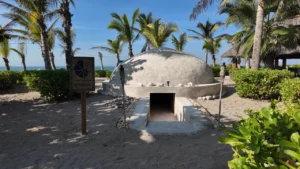
- Shared experience. People who attended the same program share a specific, intensive experience — the same group sessions, the same temazcal, the same moments of vulnerability and breakthrough. This shared experience creates a particular kind of bond that general recovery community doesn’t fully replicate.
- Mutual accountability. Alumni of the same program naturally form accountability relationships — people who know each other’s histories and who genuinely care about each other’s continued recovery.
- Graduated peer wisdom. The alumni community contains people at different stages of recovery — some 30 days out, some 3 years out. The people further along in recovery provide living evidence that sustained recovery is possible and offer the practical wisdom of having navigated what the newer person is currently facing.
- Reduction of isolation. One of the most common and dangerous features of early recovery is isolation — the retreat from connection that feels safer but is actually one of the strongest predictors of relapse. Alumni connection specifically addresses this.
- Sense of belonging. Recovery can feel lonely, particularly for people who have left a using community and not yet fully embedded in a recovery community. Alumni programs provide a specific sense of belonging — a community that knows the person and their history.
COMMON ALUMNI ACTIVITIES
Effective alumni programs are active — not just a name list or a Facebook group, but an ongoing community with regular touchpoints. Common alumni activities include:
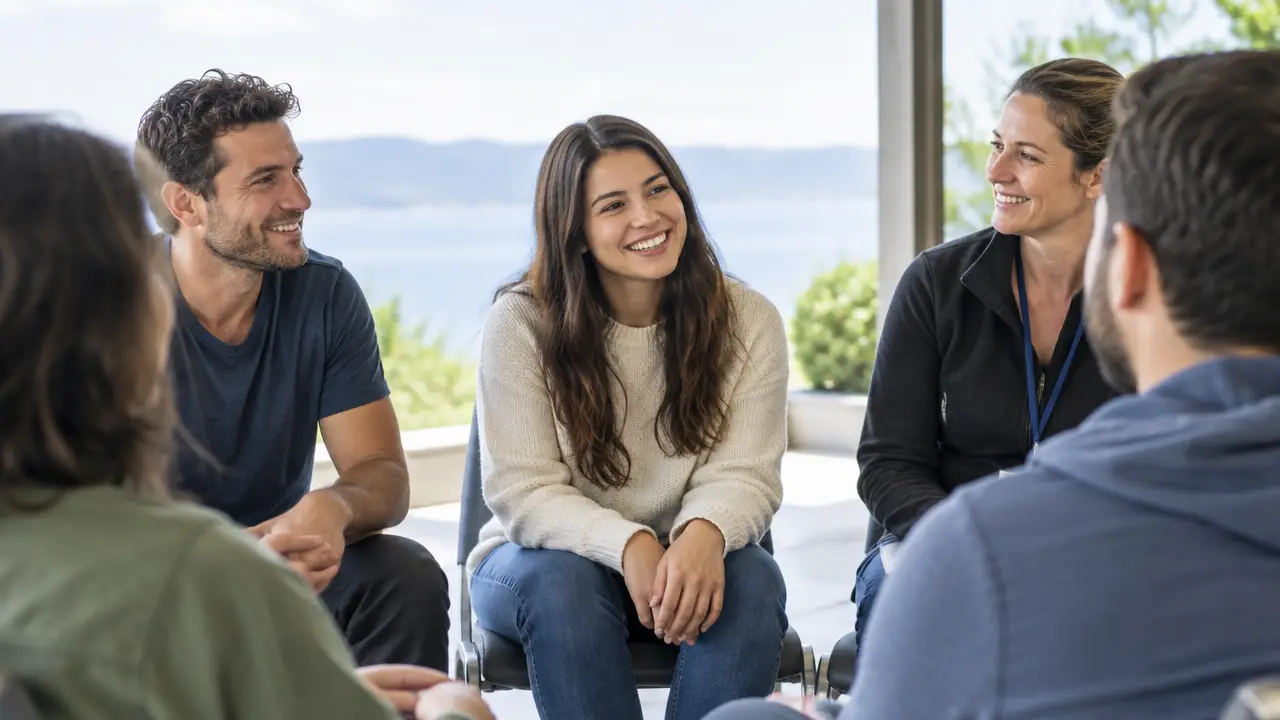
- Regular virtual check-ins. Monthly or quarterly virtual gatherings where alumni share updates on their recovery, celebrate milestones, and maintain connection across geographies.
- Peer mentorship. Connecting newer graduates with longer-term alumni who can provide specific peer support in the immediate post-discharge period — a formal version of the informal peer mentorship that the best residential communities produce naturally.
- Educational content and resources. Webinars, written resources, and clinical updates that extend the educational dimension of treatment into the ongoing recovery period.
- Crisis support. Alumni networks often provide informal crisis support — the ability to reach out to someone who understands when a moment of vulnerability arises.
- Celebration of milestones. Recognition of 30-day, 90-day, 6-month, and 1-year sobriety anniversaries within the alumni community provides both individual celebration and community inspiration.
ANNUAL REUNION EVENTS
Annual alumni gatherings — whether in-person in Mazatlán or virtually — provide a specific and particularly powerful form of alumni connection.
What annual reunions provide:
- Reconnection with the community and the place of treatment. Returning to Mazatlán — to the specific physical environment where recovery began — carries a particular emotional resonance for many alumni. The place itself becomes associated with the beginning of a new chapter.
- Renewal of commitment. The annual gathering is an opportunity to renew the commitments made in treatment — in the presence of the community that witnessed the original commitment.
- Celebration of another year of recovery. For people who are now a year or more out, the reunion marks what they’ve built.
- Inspiration for newer alumni. Seeing people who are two, three, five years into recovery — living full, genuine lives — is one of the most powerful forms of hope that the recovery community provides.
Oceánica’s annual alumni events provide the opportunity for those who completed treatment to return (or connect virtually) with the community and the clinical team that supported their recovery.
ONLINE COMMUNITIES
Online communities extend alumni connection to the ongoing daily context — beyond scheduled events and into the spaces of daily life where support is most immediately needed.
Forms of online alumni community:
- Private alumni groups. Closed social media groups (Facebook, WhatsApp, or similar platforms) where alumni can share updates, ask for support, celebrate milestones, and maintain connection. Privacy and membership limited to verified alumni protects the integrity and safety of the community.
- Direct peer contact. Alumni who have given permission for their contact information to be shared — creating a network of people who can be contacted when support is needed.
- Digital resources. Access to clinical resources, educational content, and recordings of alumni check-in sessions.
The practical implication of international treatment: Many Oceánica alumni return to communities across the U.S. that have no direct connection to each other or to the Oceánica community. Online alumni connection specifically addresses this geographic dispersion — maintaining the bonds formed at Oceánica across the distance.
GIVING BACK AS RECOVERY
One of the most consistent findings in recovery research is that helping others — what 12-step calls “giving back” — is itself a protective factor for the helper’s own recovery. Alumni programs create structured opportunities for this.
Ways alumni give back:
- Peer mentoring newer graduates. Offering to be available as a peer support for someone in the first weeks after discharge — sharing what the early period was actually like and how it was navigated.
- Sharing at alumni events. Willing alumni sharing their stories at annual reunions or virtual events — providing the living evidence of recovery that inspires newer alumni and reinforces their own.
- Participating in treatment program activities (when invited). For those who live near Mazatlán or visit, participating in certain aspects of the current treatment community — the equivalent of a “speaker meeting” at the treatment center.
- Referring others. Alumni who share information about Oceánica with people in their lives who might benefit — the most organic and trusted form of program recommendation.
The therapeutic value of these giving-back activities is well-documented: helping others reinforces recovery identity, provides purpose, and creates the kind of meaningful engagement with community that sustained recovery requires.
FREQUENTLY ASKED QUESTIONS
What is an alumni program at a residential treatment center?
An organized community for people who have completed residential treatment — providing ongoing connection, peer support, milestone celebrations, educational resources, and the sustained community that supports long-term recovery.
Why does alumni connection predict better recovery outcomes?
Because social connection is one of the strongest predictors of sustained recovery, and the alumni community provides a specific, high-quality form of this connection — people who share a specific experience, understand the recovery journey, and are genuinely invested in each other’s continued sobriety.
How does Oceánica maintain connection with alumni after discharge?
Through the alumni network that includes virtual check-ins, peer mentoring connections, online community, milestone celebrations, and annual alumni events. Contact information and alumni community details are provided as part of the discharge process.
Can I visit Oceánica as an alumnus?
Oceánica welcomes interest from alumni in reconnecting with the treatment community. For specific information about alumni visits or participation in program activities, contact the Oceánica team at (213) 527-3377 or oceanica-usa.com.
Recommended Reading
- Aftercare Planning in Rehab: The Most Important 30 Minutes
- Sober Living After Rehab: Should You Try It?
- Mutual-Aid Groups in Recovery: Comparing Your Options
- Services and Programs at Oceánica
EXTERNAL REFERENCE LINKS
- SAMHSA — Recovery Support Services
- NIDA — The Science of Recovery
- Faces and Voices of Recovery
- Oceánica Conecta
Oceánica is a CARF-accredited residential treatment center in Mazatlán, Mexico, with an active alumni network supporting long-term recovery. This article is informational and not medical advice. Call (213) 527-3377 or visit oceanica-usa.com.