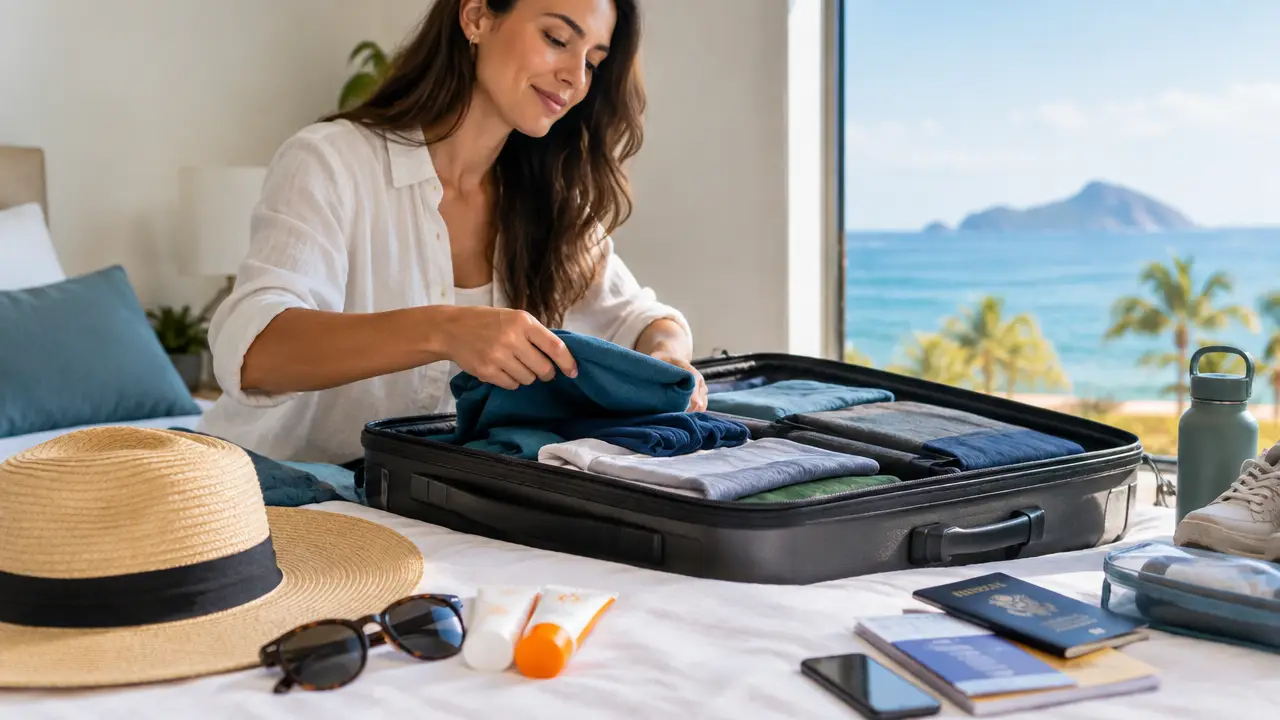
Packing for a residential treatment stay in Mexico involves a few considerations that differ from packing for a domestic rehab — primarily around climate (Mazatlán is warm and subtropical year-round), passport and documentation requirements, and medication management across an international border.
This checklist covers what to bring, what to leave home, and what Oceánica provides so you arrive prepared without overpacking.
Note: Always verify the specific packing guidelines with Oceánica’s admissions team before departure, as program requirements may have specific additions or restrictions.
ESSENTIALS LIST
Documentation (non-negotiable):
- Valid U.S. passport (required for entry to Mexico)
- Completed FMM tourist card (can be done online before departure)
- List of all current medications with dosages
- Copies of relevant prescriptions from prescribing physicians
- Insurance cards (for emergency purposes)
- Emergency contact information written down (not only in your phone)
- Copy of your flight itinerary
Financial:
- Credit or debit card for personal incidentals
- Small amount of Mexican pesos or USD for personal purchases (Oceánica can advise on the appropriate amount)
- Refundable personal-incidentals deposit — paid through the admissions process
Personal identification (backup):
- Copy of passport photo page (stored separately from the original)
- Digital copies of key documents stored securely online or with a trusted person at home
CLIMATE-APPROPRIATE CLOTHING
Mazatlán’s climate:
Year-round warm subtropical climate. Average temperatures range from approximately 65°F (18°C) overnight in winter to 90°F (32°C) daytime in summer. Light, breathable clothing is appropriate throughout the year. The summer months (June-September) are warmer and more humid; winter months (December-February) are the mildest.
Clothing to pack (for 45 days of treatment):
- 7-10 lightweight, breathable tops (t-shirts, casual shirts, tank tops)
- 5-7 comfortable pants or shorts — light-weight
- 2-3 light-weight long-sleeve layers for air-conditioned spaces or cooler evenings
- 1 light jacket or hoodie for evenings or A/C environments
- Comfortable walking shoes (2 pairs recommended)
- Athletic/workout shoes for gym and outdoor activities
- Sandals or flip-flops for casual and pool use
- Swimwear (1-2 pieces) for pool use
- 7-10 sets of underwear and socks
- Pajamas/sleep clothing
Specific to Mazatlán:
- Sunscreen (high SPF) — the subtropical Pacific sun is strong
- Sunglasses
- Sun hat or cap for outdoor activities
- Light rain layer for occasional summer showers (if attending in summer months)
MEDICATIONS & DOCUMENTATION
Medications require particular attention for international travel:
Prescription medications:
- Bring all current prescription medications in original, labeled pharmacy containers.
- Bring enough for the full treatment period plus a minimum one-week buffer.
- Carry a copy of each prescription from the prescribing physician (or the prescription label is typically sufficient).
- Controlled substances (opioids, benzodiazepines, stimulants): consult with Oceánica’s admissions team and your prescribing physician before travel. Some controlled substances require specific documentation for entry into Mexico.
OTC medications:
Common over-the-counter medications (pain relievers, antacids, allergy medications) are available in Mexico but bringing familiar brands for the first week reduces the need to navigate local pharmacies while adjusting.
Medical documentation:
- Records of relevant prior medical or mental health treatment (helpful for comprehensive admission assessment)
- Documentation of any allergies
- Names and contact information for U.S. prescribing physicians
Important: Oceánica’s medical team manages medication during the residential stay. All medication management — including any changes to current prescriptions — is made by the qualified medical team.
WHAT NOT TO BRING
Prohibited items:
- Alcohol or any substances (obviously)
- Recreational drugs
- Prescription medications belonging to others
- Items that are not medically necessary that could be misused
Items to leave at home:
- Valuable jewelry or expensive accessories that would create security concerns or distraction
- Large amounts of cash
- Work devices or equipment (laptops, work phones) — the residential period is intended to be a break from professional demands; work devices undermine this
Unnecessary items:
- Excessive clothing (the checklist above is sufficient)
- Books and entertainment in excessive quantity — the program provides substantial structure; personal entertainment supplements rather than fills time
- Home décor items beyond a few personally meaningful objects
Electronics policy:
Oceánica’s admissions team will advise on the specific electronics policy. Personal phones are typically allowed with specific guidelines; policy details should be confirmed before departure. Bringing a charged power bank is practical.
WHAT’S PROVIDED AT OCEÁNICA
Knowing what Oceánica provides helps avoid over-packing:
Oceánica provides:
- All meals during the residential stay (three daily)
- Towels and linens for the residential accommodation
- Basic toiletries (though bringing personal favorites is fine)
- Access to gym, pool, volleyball, soccer facilities
- Clinical supplies and materials for therapy sessions
- Medical supplies as clinically needed
What patients provide themselves:
- Personal clothing
- Personal hygiene and grooming products
- Personal electronic devices (per policy)
- Personal reading materials
- Any personal comfort items (photographs, meaningful objects)
FREQUENTLY ASKED QUESTIONS
Do I need a passport to travel to Mexico for rehab?
Yes. A valid U.S. passport is required for entry to Mexico. A driver’s license or passport card is not sufficient. See the companion passport article for information about expedited options if you don’t currently have a valid passport.
Can I bring my medications to Mexico?
Yes, with proper documentation. Bring all current prescription medications in original labeled containers with copies of prescriptions. For controlled substances, consult with Oceánica’s admissions team before travel. Oceánica’s medical team manages all medications during the residential stay.
What clothing should I bring for Mazatlán?
Light, breathable clothing suitable for warm subtropical weather — consistent summer-weight clothing with a couple of light layers for evenings or air-conditioned spaces. Workout clothes for the gym and swimwear for the pool. There is no formal dress code; comfortable casual clothing is appropriate.
What electronics can I bring?
Confirm with Oceánica’s admissions team before departure for current policy details. Typically personal phones are permitted with guidelines; other electronics per individual discussions.
Recommended Reading
- Traveling to Mexico for Rehab Safely: Logistics Guide
- Do You Need a Passport for Rehab in Mexico?
- What to Expect at Rehab in Mexico
- Services and Programs at Oceánica
EXTERNAL REFERENCE LINKS
Oceánica is a CARF-accredited residential treatment center in Mazatlán, Mexico. For specific packing guidance and pre-admission logistics, contact the admissions team at (213) 527-3377 or visit oceanica-usa.com.