IMPORTANT DISCLAIMER: Suspected overdose is a medical emergency. Call emergency services immediately. If opioids may be involved, give naloxone if available and follow emergency instructions. This article is not a substitute for emergency care.
OVERDOSE IS A MEDICAL EMERGENCY
Drug overdose signs can look different depending on the substance, dose, route of use, other drugs involved, and the person’s health. The safest rule is to treat severe changes in consciousness, breathing, heart function, temperature, or behavior as an emergency rather than waiting to see whether the person improves.
Illicit drug supply also makes recognition harder. A person may believe they used cocaine or a counterfeit pill without realizing it contains fentanyl. Mixed overdoses can produce features of more than one drug class.
If you are unsure whether someone is overdosing, call emergency services. When opioids may be involved, give naloxone if it is available.
COMMON SIGNS OF OPIOID OVERDOSE
CDC guidance highlights several classic opioid-overdose signs: inability to wake the person, slow or shallow breathing, choking or gurgling sounds in someone who cannot be awakened, changes in skin or lip color, and very small ‘pinpoint’ pupils.
The most immediate threat is respiratory depression. When breathing becomes too slow or stops, the brain and other organs are deprived of oxygen.
Naloxone can temporarily reverse opioid effects and restore breathing. It is safe to give when opioid overdose is suspected, even if you are not certain opioids are involved. Emergency medical help is still necessary because naloxone can wear off before the opioid does.
STIMULANT OVERDOSE CAN LOOK DIFFERENT
Cocaine, methamphetamine, and other stimulants may produce severe agitation, chest pain, very rapid heart rate, high blood pressure, overheating, tremor, paranoia, hallucinations, seizures, or loss of consciousness.
A stimulant overdose does not have the same typical picture as opioid overdose, and naloxone does not reverse stimulant toxicity. However, because fentanyl contamination can occur in stimulant supplies, naloxone may still be appropriate when an opioid could be involved.
Chest pain, seizure, extreme hyperthermia, severe confusion, or collapse after stimulant use should be treated as an emergency.
ALCOHOL, BENZODIAZEPINES, AND MIXED OVERDOSE
Alcohol and benzodiazepines can cause profound sedation, impaired coordination, vomiting, confusion, and respiratory depression, especially when combined with opioids or other sedating drugs.
Mixed overdoses can be especially dangerous because effects add together. Someone may appear only very sleepy before breathing becomes critically slow.
Never rely on the person’s ability to ‘sleep it off’ when they cannot be awakened normally, are breathing abnormally, have vomited while unconscious, or have taken an unknown combination of substances.
WHAT TO DO WHILE HELP IS COMING
Call emergency services and provide the dispatcher with as much information as you can: what the person may have taken, when, how much if known, whether naloxone was given, and what symptoms you are seeing.
If opioids may be involved, administer naloxone according to the product instructions. A second dose may be needed if the person does not respond and emergency responders have not yet arrived.
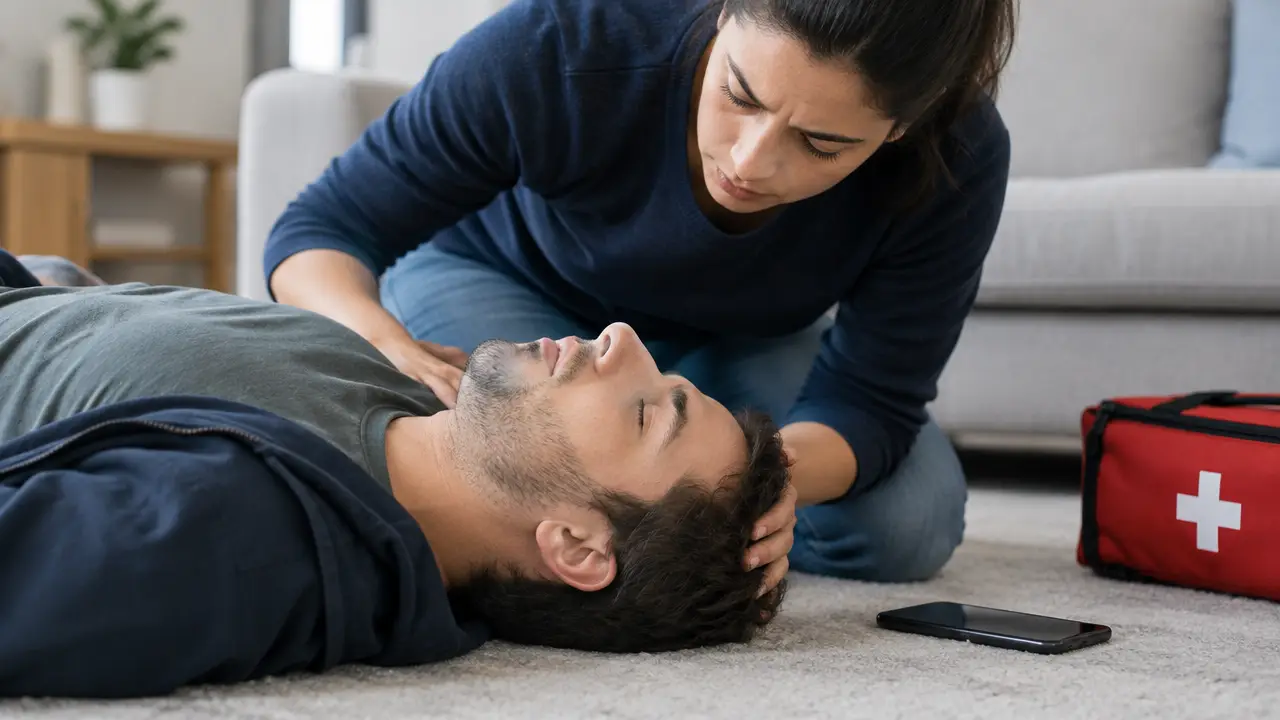
Support breathing as instructed by emergency dispatch or according to your training. If the person is breathing but unconscious, placing them on their side can help reduce choking risk. Stay with the person until medical help arrives.
Do not try to make an unconscious person vomit, force them into a cold shower, make them walk, or give food or drink. Those actions can delay appropriate care or create additional risk.
AFTER AN OVERDOSE: WHY TREATMENT MATTERS
Surviving an overdose is a major warning sign. The period after an overdose is an opportunity to connect the person with treatment rather than waiting for another emergency.
A clinical assessment should look at the substances involved, overdose history, withdrawal risk, opioid use disorder, mental health conditions, medications, prior treatment, and the recovery environment. For opioid use disorder, FDA-approved medications can substantially reduce risk and should be discussed with qualified clinicians.
Oceánica provides medically supervised detoxification and residential addiction treatment for appropriate patients. The program includes medical and psychiatric assessment, psychotherapy, family involvement, and relapse-prevention planning. Acute overdose always requires emergency stabilization first. Call (213) 527-3377 for admissions information after the immediate emergency has been addressed.
FREQUENTLY ASKED QUESTIONS
What are the most common opioid overdose signs?
Inability to awaken, slow or shallow breathing, choking or gurgling sounds, blue or gray skin or lips, and pinpoint pupils are common warning signs.
Should I give naloxone if I am not sure opioids are involved?
CDC guidance supports giving naloxone when opioid overdose is suspected. Naloxone will not harm someone simply because opioids were not the cause, but emergency services should still be called.
Can someone overdose on cocaine or meth?
Yes. Stimulant toxicity can cause chest pain, dangerous heart rhythms, seizures, overheating, severe agitation, psychosis, or collapse.
Can a person be okay after naloxone and still need the hospital?
Yes. Naloxone can wear off before the opioid does, so breathing problems can return. Emergency evaluation is still needed.
What happens after an overdose?
After stabilization, a substance-use assessment can identify treatment needs, overdose-prevention measures, medications when appropriate, and whether outpatient or residential care is indicated.
Recommended Reading
- Fentanyl Addiction Help: Why Speed Matters
- Medical Detox in Mexico: Safe, Supervised Withdrawal
- The Admissions Process at Oceánica: Step-by-Step
- Services and Programs at Oceánica
EXTERNAL REFERENCE LINKS
- CDC – What to Do If You Think Someone Is Overdosing
- CDC – 5 Things to Know About Naloxone
- SAMHSA – Overdose Prevention and Response Toolkit
- Oceánica Conecta
Oceánica is a CARF-accredited residential treatment center in Mazatlán, Mexico. Patients are assessed individually for program fit, medical needs, and appropriate level of care. This article is informational and not medical advice. Call (213) 527-3377 or visit oceanica-usa.com.