
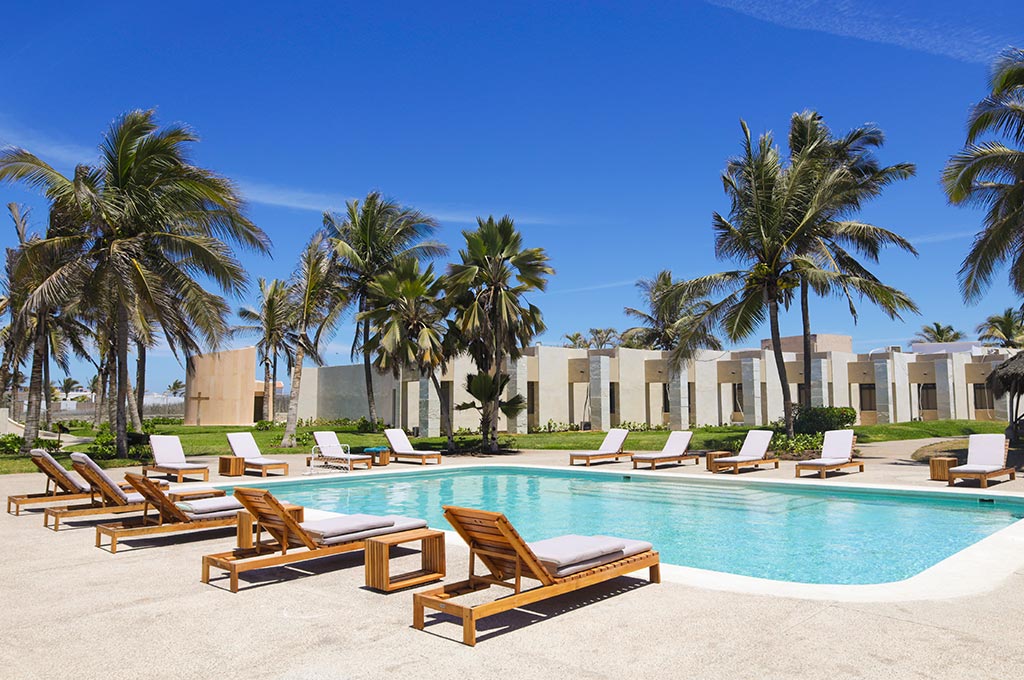
Cheap Rehab in Mexico: What “Cheap” Should Mean
Searching for “cheap rehab Mexico” is one of the most common — and most understandable — search queries in addiction treatment. Addiction is expensive in every sense: financially, emotionally, physically. When people finally reach the point of seeking help, the cost of treatment is often a central concern. Families have already spent tens of thousands on consequences of the addiction itself. The idea of spending another $50,000 or $80,000 on a U.S. treatment program can feel impossible.
So the search for “cheap rehab” begins.
The problem is that “cheap” in the context of addiction treatment can mean two very different things. Understanding the difference could determine whether someone gets effective treatment — or whether they come home worse than when they left.
THE TWO MEANINGS OF “CHEAP”
Meaning 1: Low cost, low quality.
Some facilities operating in Mexico and elsewhere offer prices that are genuinely low because they are genuinely cutting corners. They may employ undertrained or unlicensed staff, lack independent accreditation, provide inadequate medical supervision during detox, or operate in facilities that are unregulated. For patients with severe addiction or co-occurring medical conditions, treatment at these facilities is not just ineffective — it can be dangerous.
Meaning 2: Smart value — comparable quality at lower cost.
The economics of healthcare in Mexico mean that high-quality, accredited addiction treatment is available at prices that feel “cheap” compared to U.S. equivalents. This is not because corners are being cut. It is because the operating costs of running a treatment facility in Mexico are fundamentally different from those in the United States.
At a CARF-accredited facility like Oceánica, a 28-day program costs approximately $13,500 USD. A comparable program in the United States would cost $40,000–$80,000. The clinical model is equivalent. The price difference reflects the economics of the location, not the quality of care.
RED FLAGS IN LOW-COST REHABS
No independent accreditation. Any reputable facility should be able to tell you immediately whether it holds CARF accreditation or equivalent independent certification. If the answer is “we’re working on it,” “we have our own standards,” or “accreditation isn’t necessary,” proceed with extreme caution.
Vague staffing information. Legitimate facilities can tell you exactly who treats patients: how many licensed therapists, what credentials they hold, what their caseloads look like.
No medical staff on-site. Detoxification from alcohol, opioids, and benzodiazepines carries genuine medical risk. Seizures, cardiac events, and severe withdrawal syndromes are medical emergencies. Any facility accepting substance use patients without 24/7 licensed medical personnel on-site is not an appropriate clinical setting.
Pricing that seems impossibly low. Programs priced below $3,000–$5,000 USD for a month of residential treatment are almost always operating at clinical standards that would not be considered acceptable in a regulated healthcare environment.
No transparency about inclusions. Credible facilities provide complete information about what the program fee covers. If a facility’s admissions team is evasive about what is included, the reason is usually that there are significant exclusions.
Heavy reliance on 12-step or religious programming without clinical oversight. Peer support and spiritual approaches have value in recovery, but they are not substitutes for licensed clinical care.
WHAT REAL VALUE LOOKS LIKE
Genuine value in addiction treatment — “cheap” in the smart sense — combines these features:
- Independent accreditation (CARF or equivalent)
- Licensed clinical staff with verifiable credentials
- Low therapist-to-patient ratio (8:1 to 12:1 is the range at quality programs)
- Multiple therapy modalities — individual, group, and psychoeducation at minimum
- Medical supervision for detox and ongoing health monitoring
- Transparent pricing with clear disclosure of inclusions and exclusions
- Aftercare planning — a discharge plan that addresses what happens after leaving the facility
At Oceánica, all of these features are present at a price point well below comparable U.S. programs. The $13,500–$19,100 USD range for a full residential program is genuinely affordable — and backed by over 30 years of clinical operation and CARF accreditation.
FREE VS. PUBLIC VS. PRIVATE OPTIONS
- Free/government programs (CAPA, CIJ in Mexico):
Mexico has a national network of government-funded addiction treatment centers. These programs are free but are primarily designed for Mexican nationals, have long waiting lists, and typically offer limited intensity of care. They are not designed for international patients or those with complex clinical needs.
- Low-cost private facilities ($2,000–$7,000 USD):
Some private facilities in Mexico operate at lower price points by reducing staffing levels and amenities. Quality varies widely. Without independent accreditation and verifiable staffing credentials, the clinical quality of these programs is difficult to assess from the outside.
- Mid-to-upper private facilities ($10,000–$25,000 USD):
This range includes accredited facilities like Oceánica. At this price point, patients can expect CARF or equivalent accreditation, licensed clinical teams, and clinical programs comparable to top U.S. facilities.
OCEÁNICA’S COST-VALUE PROPOSITION
Oceánica occupies an unusual position in the Mexico treatment landscape: it offers clinical quality that meets international accreditation standards at a price point that is accessible to middle-income American families.
At $13,500–$19,100 USD for a full residential program, Oceánica is not the cheapest facility in Mexico. There are lower-cost options. But it is among the most affordable facilities at its level of clinical quality and accreditation standing.
A FINAL NOTE ON VALUE IN RECOVERY
The most important thing to understand about treatment cost: effective treatment is an investment, and ineffective treatment is not actually cheap. A $4,000 program that does not produce lasting change — and is followed by relapse, re-treatment, and continued consequences of addiction — costs far more in total than a $15,000 program that works.
The goal is not the lowest price. The goal is the best outcome. Finding that at an accessible price point is what genuine value in rehab looks like.
FREQUENTLY ASKED QUESTIONS
- Is cheap rehab in Mexico safe?
It depends entirely on the facility. Low-cost programs without independent accreditation or medical staff pose genuine risks. CARF-accredited facilities like Oceánica provide safe, medically supervised care at prices far below U.S. equivalents.
- What is the minimum cost for quality rehab in Mexico?
Quality accredited residential treatment in Mexico starts at approximately $10,000–$12,500 USD for a 28-day program at leading facilities. Programs priced significantly below this range warrant careful scrutiny.
- How do I find genuinely affordable rehab in Mexico?
Start with accreditation: verify CARF status at carf.org. Ask about staffing ratios, therapy frequency, and what the fee includes. Speak with the clinical team before committing.
SUGGESTED INTERNAL LINKS
- Rehab in Mexico vs USA: An Honest, Evidence-Based Comparison
- Rehab in Mexico: World-Class Addiction Treatment at a Fraction of the Cost
- Is Rehab in Mexico Safe? An Honest Guide for Patients and Families
- About Oceánica: https://oceanica-usa.com/about-us/
EXTERNAL REFERENCE LINKS
- CARF International — Accredited Provider Search: https://www.carf.org/providerSearch.aspx
- SAMHSA — Choosing Quality Treatment: https://www.samhsa.gov/find-help
- NIDA — Questions to Ask About Treatment Programs: https://nida.nih.gov/publications/principles-drug-addiction-treatment-research-based-guide-third-edition/frequently-asked-questions