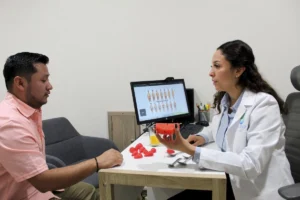

Substance addiction is a type of condition characterized by repeated use or administration of substances, leading to psychological and physical dependence on drugs. Therefore, a drug addiction clinic in Mexico becomes the most suitable option to address this condition.
Regardless of the type of substance addiction that has developed, the continued abuse of these substances can quickly become a severe problem and trigger a set of long-term health complications.
Remember, you don’t have to endure this alone. With the right treatment, recovery is not just a possibility, but a path to a better quality of life, filled with hope and relief.
Intervention Programs
There are various types of addictions, and each one can affect individuals differently. Thanks to numerous studies and the development of intervention programs in psychology and general medicine, a set of common elements can be found today.
Detoxification specialists conduct a thorough analysis of the addiction, the economic and social environment, and the type of social relationships and family conditions. This comprehensive approach ensures that every aspect of the addiction is addressed, providing you with a sense of security and confidence in the process.
Moreover, detoxification processes should focus on therapies and scientifically proven orientations that ensure reintegration into society.
Main Phases in a Detoxification Program
These programs are well-structured and have appropriately established stages throughout the process, which you will progress through in an orderly manner with the help of specialists who quit drugs and are leading the case.
Initial Contact
This step, the Initial Contact, is a crucial first step in seeking professional support. It involves reaching out to the rehabilitation clinic, either by you or a family member with an addiction case, to present the case and request professional support.
At this point, an initial evaluative interview is conducted. The therapist, with their expertise, asks a set of questions related to the nature of the addiction, the present problems, objectives, and procedures to be carried out. This is a crucial step in understanding the addiction and planning the treatment.
Once it is determined that specialized treatment is needed at a competent private rehabilitation center, admission to the rehabilitation center is arranged, and the necessary health and logistical protocols are defined to begin the detoxification process.
Residential Admission and Therapeutic Community Process
During the initial stage of residential admission, all activities related to the therapeutic process are managed so you can successfully overcome the detoxification and rehabilitation phases concerning substance use behavior.
During this phase, you will be placed in a supportive social context that makes it easier to overcome withdrawal. This supportive environment, combined with the expertise of our specialists, will help you navigate the most intense and acute phase of detoxification, providing you with comfort and encouragement.
It is a challenging stage of about four months, during which specialists work together to help you avoid relapses and successfully overcome the entire process.
Reconnection with the Outside World
This stage involves gradually and systematically beginning to leave the center to see your loved ones once you have passed the time milestones. You may even have the opportunity to hold a family meeting and also go out to see your family for the first time for about two days.
These outings should be established based on therapeutic objectives, which are specific goals set by the treatment team to help you gradually readapt to the outside world while maintaining abstinence.
Readaptation to the New Personal Reality
This phase occurs approximately three months into the treatment and begins once you have maintained absolute abstinence throughout the detoxification process and have consistently demonstrated appropriate behavior.
At this point, outings are continued, and important aspects for discharge are addressed. The development of healthy leisure and free-time habits is also consolidated, allowing you to adjust at your own pace. You can even seek employment, set training goals, and consider a healthy social network.
Therapeutic Discharge and Outpatient Follow-Up
This is the final stage of the process, aimed at reintegration into family, social, and work environments while maintaining total abstinence and the behavioral and cognitive changes that have been worked on.
During this stage, specialists provide support by addressing doubts and unforeseen events. There is also guidance for family and friends to prevent relapses and ensure that changes are successful and permanent.
It is worth noting that specialists conduct follow-up sessions according to a special schedule and maintain close contact with family members to ensure positive maintenance of changes.
Drug Addiction Clinic in Mexico
OCEÁNICA, a rehabilitation clinic with over 30 years of experience, offers programs, treatments, and solutions tailored to the needs of each patient. We invite you to contact us via email at [email protected] or by phone at (55) 8854 7141 to learn more about our drug addiction clinic in Mexico.
Sources:
Adicciones Journal. Current Situation of Detoxification Programs. When and How to Detoxify? Available at: Redalyc
Sin Consumir. Addiction Treatment. Available at: Sin Consumir
National Institute on Drug Abuse (NIH). Principles of Drug Addiction Treatment: A Research-Based Guide. Available at: NIDA