
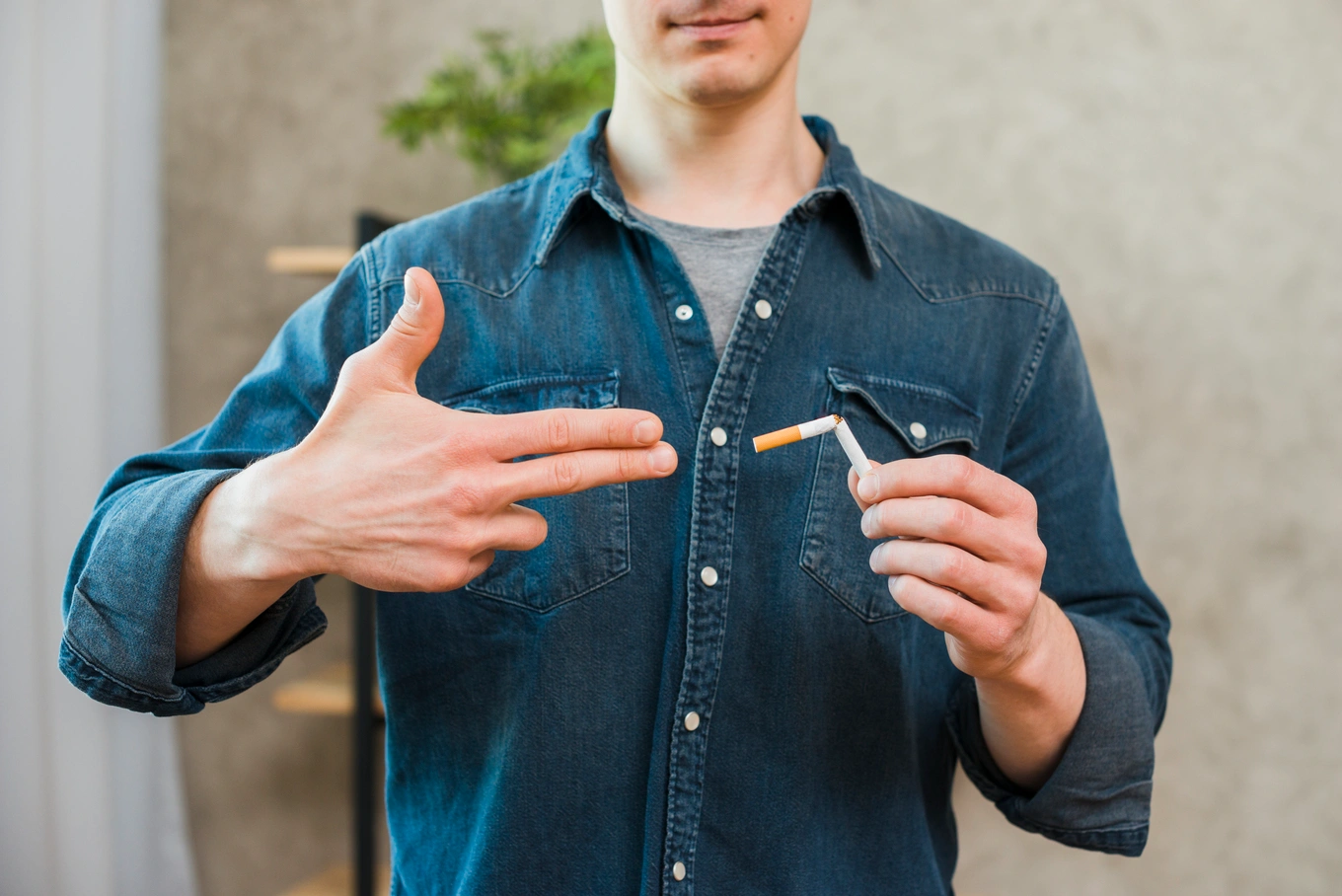
¿Have you ever considered the incredible transformation that unfolds in your life when you decide to quit smoking? What if I told you that the decision to quit smoking could unlock a world of health, vitality, and opportunity you might not have imagined? Join me on this journey as we explore the compelling reasons to embrace a smoke-free future.
Why to quit smoking?
According to the World Health Organization (WHO), tobacco consumption is the leading cause of mortality worldwide. It generates around 4 million deaths worldwide from smoking-related diseases. Nevertheless, what happens to your body when you quit smoking?
In Mexico, for example, it is estimated that smokers have increased from 9 to 13 million people in the last two decades. Otherwise, smoking-related diseases kill around 53,000 people a year, representing 10% of deaths nationwide.
The WHO also points out that smoking initiation age is decreasing, and consumption among women has increased. Although not only active smokers are harmed by this disease, more than a third of the inhabitants in Mexico have been exposed to cigarette smoke.
There are a lot of reason to quit smoking. In a study published in the Journal of the American Medical Association, lead researcher Meredith Duncan of the division of cardiovascular medicine at Vanderbilt University Medical Center in Nashville, Tennessee, said:
“The benefit of quitting smoking cannot be overstated: the cardiovascular system begins to recover rapidly, with some physiological changes happening within hours.”
What happens to your body when you quit smoking?
Have you ever wondered about the remarkable changes that occur within your body when you make the courageous decision to quit smoking? The transformation is nothing short of astounding, impacting virtually every aspect of your health and well-being.
Join us as we delve into the captivating journey of what happens to your body when you bid farewell to cigarettes, uncovering the compelling reasons to embark on this life-changing path.
In Oceanica, we have prepared this article about what happens to your body when you stop smoking from 1 hour to 20 years.
1 hour without smoking
The heart rate slows back to normal, and circulation begins to improve.
12 hours without smoking
The body begins to cleanse itself of excess carbon monoxide (a gas that prevents oxygen from properly reaching the lungs and blood), increasing oxygenation levels.
1 day without smoking
Blood pressure drops, oxygenation levels continue to rise, and the risk of a heart attack decreases.
2 days without smoking
The sense of taste and smell begins to improve since smoking damages the nerve endings of these senses, causing the flavors to be not 100% natural.
3 days without smoking
Nicotine levels disappear. This substance is one of the many generators of addiction, so after three days, it is very likely to begin to show withdrawal symptoms such as bad mood, headache, and irritability.
1 – 3 months without smoking
The lungs begin to improve, so breathing feels much lighter. It helps increase athletic endurance. Blood circulation continues to improve.
9 months smoke-free
The improvement of the lungs is very noticeable since the cilia, the structures located within them that help expel mucus and fight infections, have recovered.
1 year without smoking
The risk of coronary heart disease decreases to almost 50% and will continue to fall.
5 years without smoking
The arteries and blood vessels begin to recover their natural state. That is, they widen and help avoid the risk of stroke.
10 years without smoking
The risk of developing lung cancer decreases by almost 50% compared to an active smoker, and the risk of mouth, throat, and pancreatic cancer decreases.
20 years without smoking
The risk of smoking-related death, lung disease, and cancer is reduced almost to the level of a person who has not smoked before.
Quitting smoking is always a good decision
As we can see, quitting smoking is an excellent decision for the body. In addition to improving our health and allowing us to enjoy the slightest aromas. It also improves our personal life since, by improving performance, we can live in a better way with our family and friends.
At Oceánica, we offer free advice to solve your doubts regarding determining if there is a possible addiction in yourself or a loved one. Our addiction rehabilitation program allows you to recover the health of the affected and their dreams, dignity, and, most importantly, THEIR FAMILY.
Come to Oceanica by clicking here or calling 55 8854 7141
“What you do today can improve all your tomorrows” – Ralph Marston.
Source: https://www.paho.org/mex/